

4 min read
Has God ever seemed unfair to you? Have you ever watched someone else receive a blessing — a calling, a healing, a second chance — and felt a quiet sting of envy? If so, the Savior has a parable for you. And it may change the way you see everything.
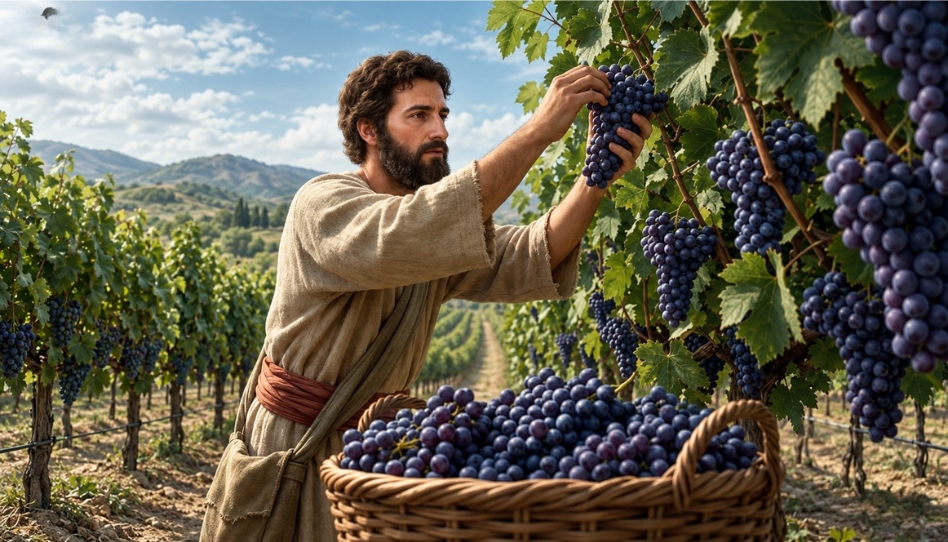
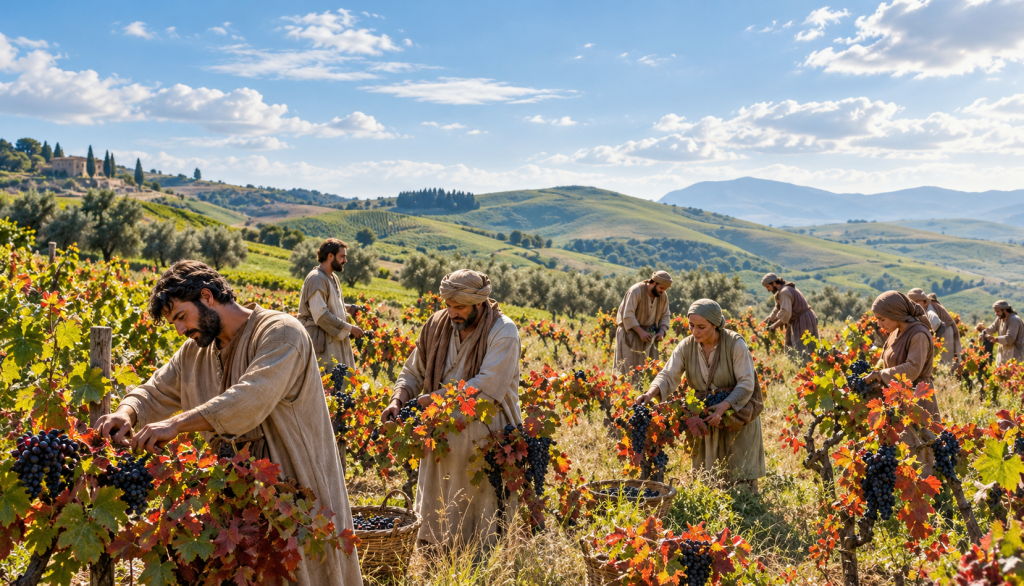
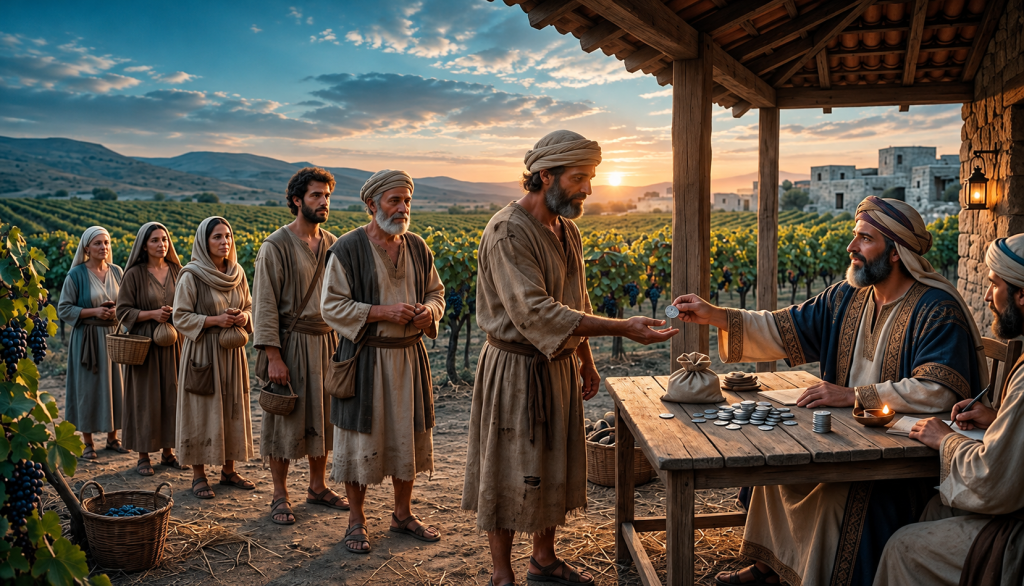
In Matthew 20, Jesus told the story of a householder who went out at six in the morning to hire labourers for his vineyard. He returned at nine, at noon, at three in the afternoon, and finally at the eleventh hour — just one hour before the end of the working day. At the close of work, every single worker received the same wage: a full day's pay. Those hired first were furious. And perhaps, reading this, so are we.
"Why should you be jealous because I choose to be kind?"
— The householder, Matthew 20:15 (paraphrased by Elder Holland)
1. No One Was Treated Unfairly
Elder Jeffrey R. Holland addressed this parable directly in the General Conference, April 2012. His first point is important: no one in this story was treated unfairly. The first workers agreed to the full wage of the day — and they received it. They were, Elder Holland observed, the most fortunate people in the entire labour pool that morning. In the time of the Savior, an average man and his family could not do much more than live on what they made that day. If you didn't work, you likely didn't eat.
If there is any sympathy to be generated, Elder Holland suggests, it should go to the workers not chosen throughout the day — those who saw others selected again and again while they waited. They were the discouraged, the overlooked, the ones for whom luck never seemed to come. And it is for them that the eleventh-hour offer becomes such a breathtaking act of grace.
2. Envy Is a Mistake That Keeps on Giving
Elder Holland was direct about the danger of envy:
"We are not in a race against each other to see who is the wealthiest or the most talented or the most beautiful or even the most blessed. The race we are really in is the race against sin, and surely envy is one of the most universal of those."
He described envy's particular cruelty:
"Obviously we suffer a little when some misfortune befalls us, but envy requires us to suffer all the good fortune that befalls everyone we know!"
— Elder Jeffrey R. Holland
We are not diminished when someone else is added upon. Coveting, pouting, or tearing others down does not elevate our standing, nor does demeaning someone else improve our self-image.
"So be kind, and be grateful that God is kind. It is a happy way to live."
3. Don't Let Early Grievances Rob You of the Final Reward
Elder Holland's second lesson from this parable is equally powerful. The sorrow would be immense if a worker, angry about something that happened at nine in the morning, walked away at the end of the day without receiving his wage.
"The formula of faith is to hold on, work on, see it through, and let the distress of earlier hours — real or imagined — fall away in the abundance of the final reward."
— Elder Jeffrey R. Holland
He applied this personally: "We consume such precious emotional and spiritual capital clinging tenaciously to the memory of a discordant note we struck in a childhood piano recital, or something a spouse said or did 20 years ago … or an incident in Church history that proved no more or less than that mortals will always struggle to measure up to the immortal hopes placed before them."
"Even if one of those grievances did not originate with you, it can end with you."
Don't hyperventilate about something that happened at nine in the morning when the grace of God is trying to reward you at six in the evening.
4. The Parable Is About God's Grace
Elder Holland's third and deepest point:
"This parable — like all parables — is not really about labourers or wages any more than the others are about sheep and goats. This is a story about God’s goodness, His patience and forgiveness, and the Atonement of the Lord Jesus Christ. It is a story about generosity and compassion. It is a story about grace."
He added something beautiful:
"Surely the thing God enjoys most about being God is the thrill of being merciful, especially to those who don’t expect it and often feel they don’t deserve it."
— Elder Jeffrey R. Holland
5. It Is Never Too Late
Elder Holland closed his address with a personal testimony directed at anyone who feels they have arrived too late — too many mistakes, too many missed chances, too many years away:
"However late you think you are, however many chances you think you have missed, however many mistakes you feel you have made or talents you think you don’t have, or however far from home and family and God you feel you have traveled, I testify that you have not traveled beyond the reach of divine love. It is not possible for you to sink lower than the infinite light of Christ’s Atonement shines."
"His concern is for the faith at which you finally arrive, not the hour of the day in which you got there."
So if you have made covenants, keep them. If you haven't made them, make them. If you have made them and broken them, repent and repair them. It is never too late so long as the Master of the vineyard says there is time.
Conclusion: Come to the Vineyard
Whether you have served faithfully since the morning of your life, whether you came at noon or in the afternoon, or whether you feel like the lost labourer of the eleventh hour — the Lord of the vineyard still stands beckoning.
You may also be interested in
- More Than 90,000 Missionaries Now Serving Worldwide
- ‘Dedicate’: The New Video Series You Won’t Want to Miss
- A Historic Welcome: How Indian Families Can Experience the Renovated Salt Lake Temple in 2027
Related video