
Basic beliefs and principles , Personal Study
4 min read
Regardless of our time or culture, our Heavenly Father will always care for all of His sons and daughters. And one of the most wonderful ways in which He manifests His love to us is through divine laws, which not only influence our spiritual character , but also have a great impact on our temporal progress
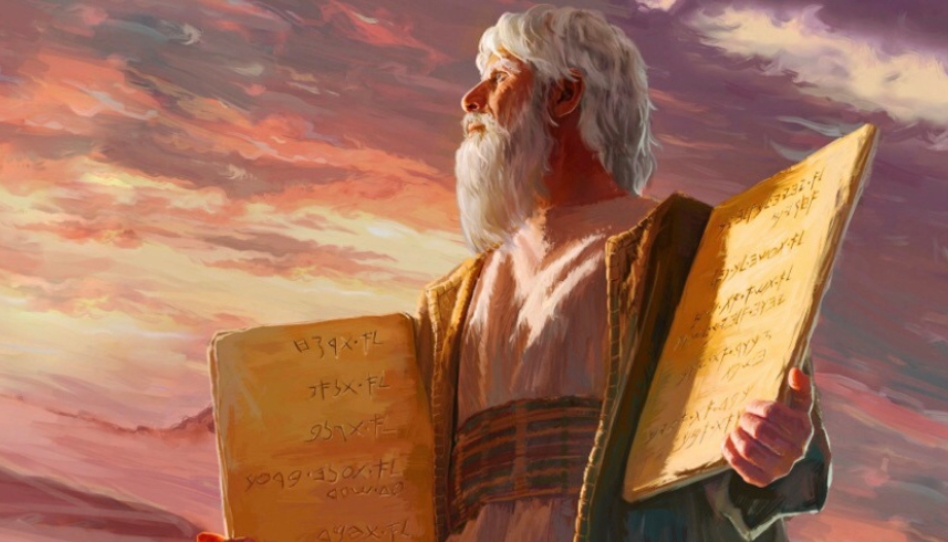
Although the Scriptures do not contain much information about the laws that governed the ancestors of Moses , to whom the Ten Commandments were revealed that prevail to this day, that does not mean that God did not provide divine guidance to his first children.
Charity as a foundation
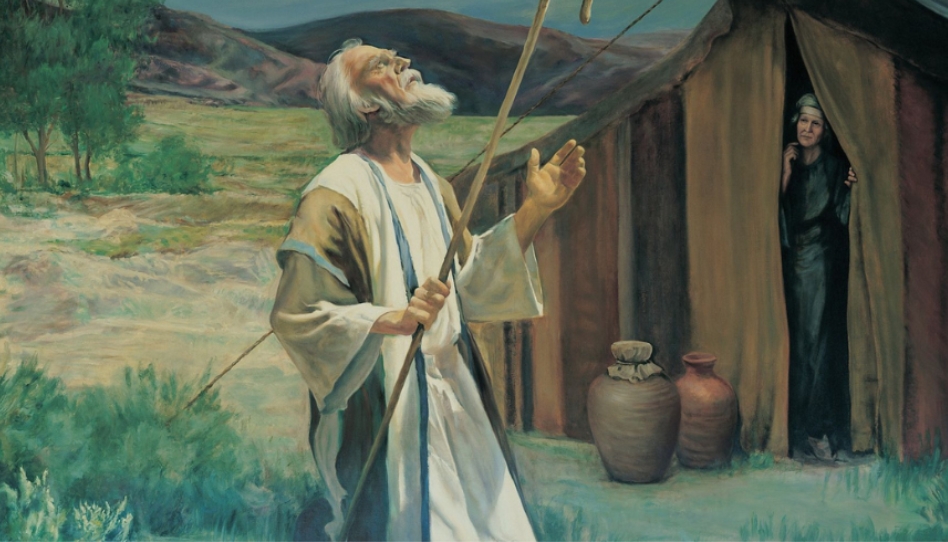
Before Moses received the Ten Commandments on Mount Sinai, several moral and divine laws governed human behavior , a product of both divine revelation and social development.
Thus, the earliest known moral codes date back to Adam and Abraham. The covenant they made with Adam mphasized the principles of righteousness, obedience, and the law of sacrifice . Meanwhile, Abraham received the priesthood and was given commandments that included faithfulness and charity, as recorded in Abraham 1:1-4.
These first commandments demonstrate that God's desire for justice among his people was not limited to the later revelations given to Moses, but reflected a series of divine instructions intended to guide humanity toward ethical living and spiritual integrity . The experiences of Adam and Abraham illustrate how God communicated His will to His chosen servants from the beginning of humanity, setting a precedent for the moral standards that would later be codified in the Ten Commandments.
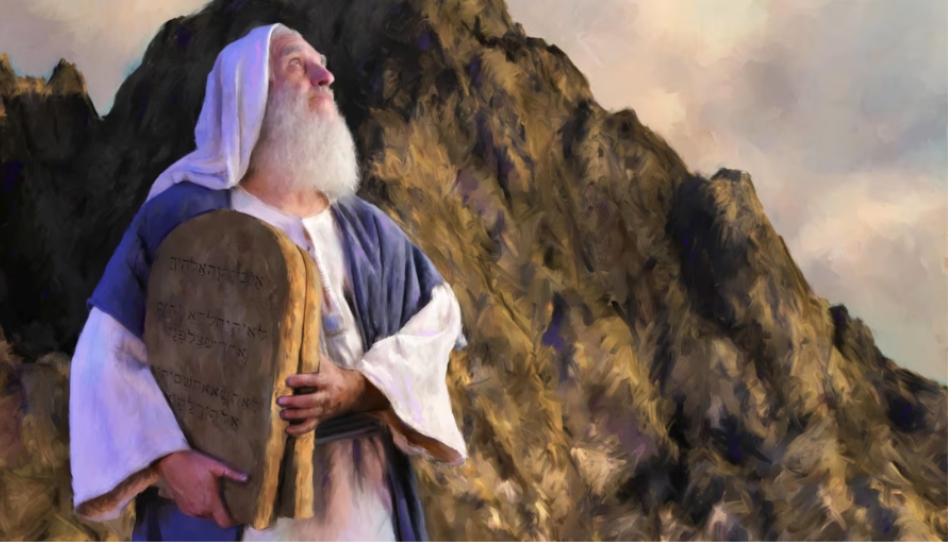
These rules include various statutes and rulings that govern social conduct, religious observance , and personal morality.
However, the broader Law of Moses also addresses civil and ceremonial matters, from dietary restrictions to guidelines for worship. This extensive legal code illustrates God's desire for his people to live in harmony with one another and in accordance with his divine will.
The importance of the Law of Moses lies in its function as a covenant document that defined the identity and responsibilities of the Israelites as God's chosen people. provided a structured approach to living their faith , emphasizing that obedience to divine commandments is an integral part of a faithful life.
Cultural adaptation
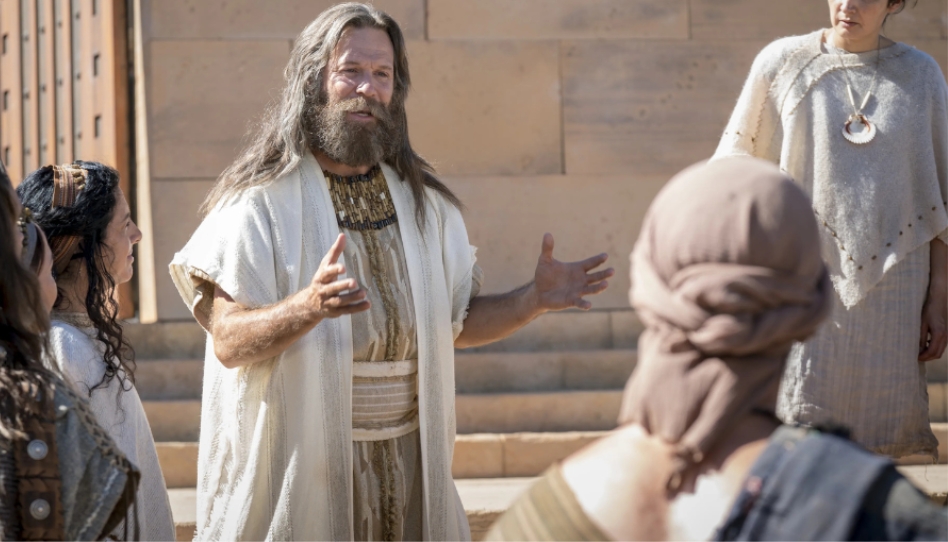
Before the Ten Commandments were dictated, several ancient civilizations had their own legal codes that paralleled or influenced the moral teachings found in the Bible.
One of the most notable examples is the Code of Hammurabi, which emerged around 1754 BC . This ancient Babylonian code contained laws addressing social justice, property rights, and family law, and reflected moral themes similar to those later articulated in the Ten Commandments.
While many ancient laws focused on retribution and social order, the moral codes given to the Israelites were distinguished by their emphasis on both divine authority and community responsibility . This difference underscores the theological importance of God's laws as a reflection of his character and his intentions toward his people.
In the Book of Mormon, Jacob, the brother of Nephi, emphasizes the consequences of disobedience and illustrates how these laws were adapted to the specific cultural and spiritual needs of the Nephite people.
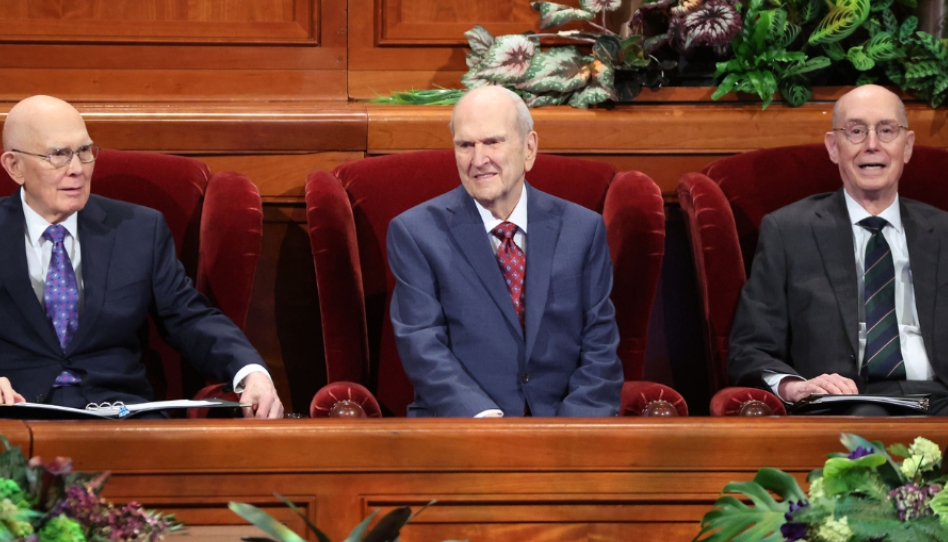
Jacob's commandments serve as a reminder that divine instruction transcends time and culture, adapting to the circumstances of God's people while maintaining fundamental ethical principles.
Various passages of Scripture affirm that the moral laws given to humanity are designed to guide individuals toward righteousness and establish a society that reflects the character of God .The commandments not only established rules for personal conduct, but also formed the basis for social government and community harmony.
This doctrine remains true to this day, thanks to the constant revelation from heaven that we receive through modern prophets. Thus, the Law of Moses—like all divine guidance, ancient or modern—is a reminder of our Loving Father's continued love and help for His sons and daughters.
Source: Ask Gramps