
Every Family Has a Story
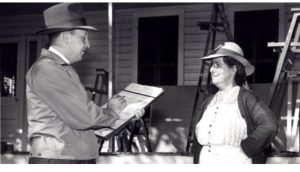
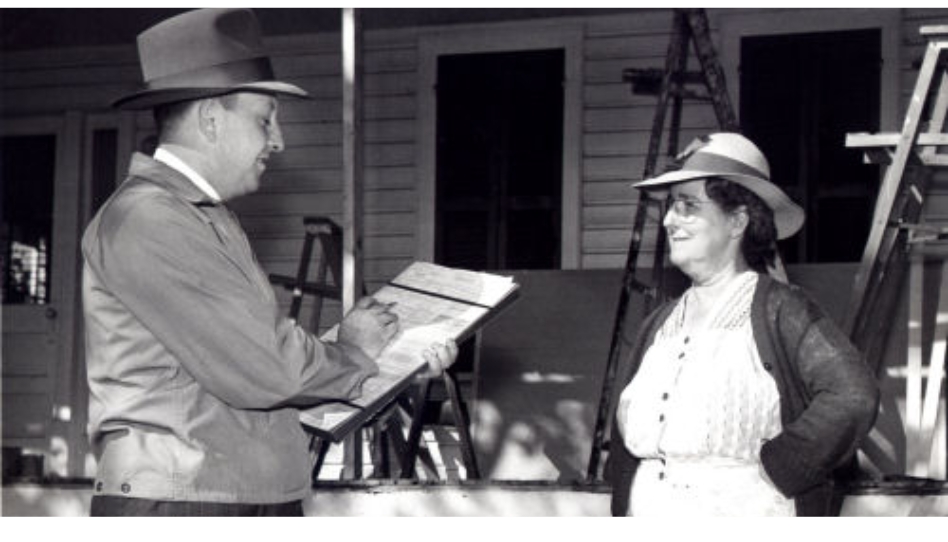
Have you ever looked at an old family photograph and wondered about the people in it?
Perhaps it was taken many years ago. Some faces look familiar, while others you’ve never met. You might wonder who they were, what challenges they faced, or what kind of lives they lived.
Even if you don’t know their full stories, their decisions, sacrifices, and faith have formed the family you belong to today.
In India, we naturally value family. We love listening to stories from our grandparents, gathering for celebrations, and remembering those who came before us. These traditions gently remind us that family history is more than just a record of the past — it is part of who we are.
What Is Family History?

When many people hear the words “family history,” they think of old records or a family tree. Those things are important, but family history is much more than collecting names and dates.
Family history is discovering and preserving the stories of our ancestors. It includes learning about their lives, recording family relationships, collecting photographs, saving memories, and passing those stories on to future generations.
Imagine sitting with your grandparents and asking about their childhood. They begin sharing stories about your great-grandparents — their work, their struggles, and the faith that carried them through hard times.Their experiences help you understand your family and yourself a little better.
As we preserve these stories, we strengthen our connection not only with those who have passed away, but also with the family members who are still with us today.
Why Does Family History Matter?
Learning about our ancestors gives us a sense of identity and belonging. It helps us appreciate the sacrifices others made so we could enjoy the opportunities we have today.
For members of The Church of Jesus Christ of Latter-day Saints, family history has an even deeper purpose. We believe families are central to Heavenly Father’s plan of happiness. Through Jesus Christ, family relationships can continue beyond this life.
Because of that belief, discovering our ancestors becomes more than an interesting hobby. It becomes an act of faith and love.
Family History and God’s Plan
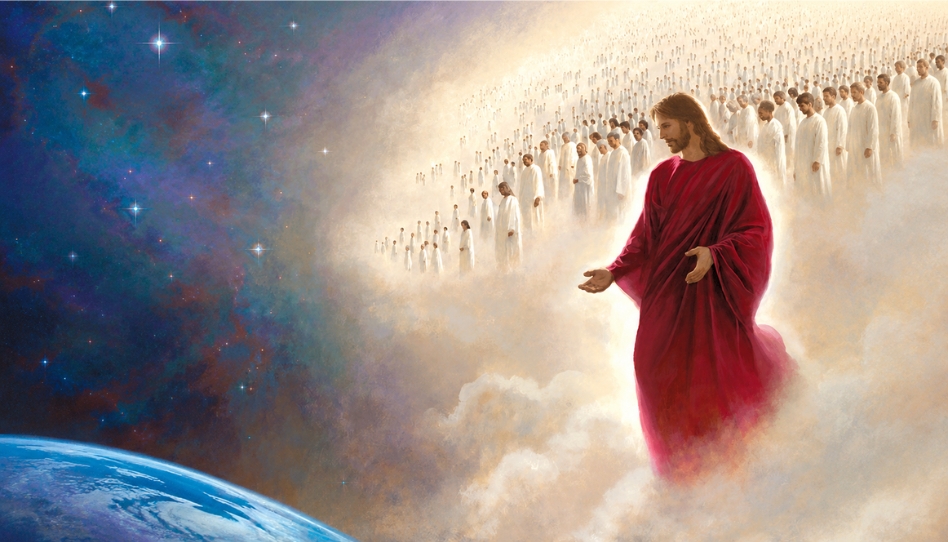
Heavenly Father loves every one of His children. He desires that all people receive the blessings of the gospel of Jesus Christ and have the opportunity to make sacred covenants with Him.
Yet millions of people lived and died without hearing the gospel or receiving essential ordinances such as baptism.
Because God is perfectly just and merciful, He prepared a way for every person to receive the same opportunity, no matter when or where they lived.
This is why family history matters so much. As we identify our ancestors, we can help make these blessings available to them through temple ordinances.
Why Are Temples Connected to Family History?
For members of the Church, family history and temple worship always go together.
After we learn about our ancestors and carefully preserve their information, their names can be taken to the temple. There, sacred ordinances are performed on their behalf through the authority of the priesthood.
One of these ordinances is baptism for the dead a practice mentioned by the Apostle Paul in the New Testament (see 1 Corinthians 15:29).
This does not mean people are automatically made members of the Church. Heavenly Father has always respected agency. Those who have passed away remain free to accept or reject these ordinances. The ordinances simply offer them the same opportunity that many people receive during this life.
In this way, family history becomes a quiet expression of Christlike love. We help ensure that every one of God’s children has the chance to choose Him.
Turning Hearts Across Generations
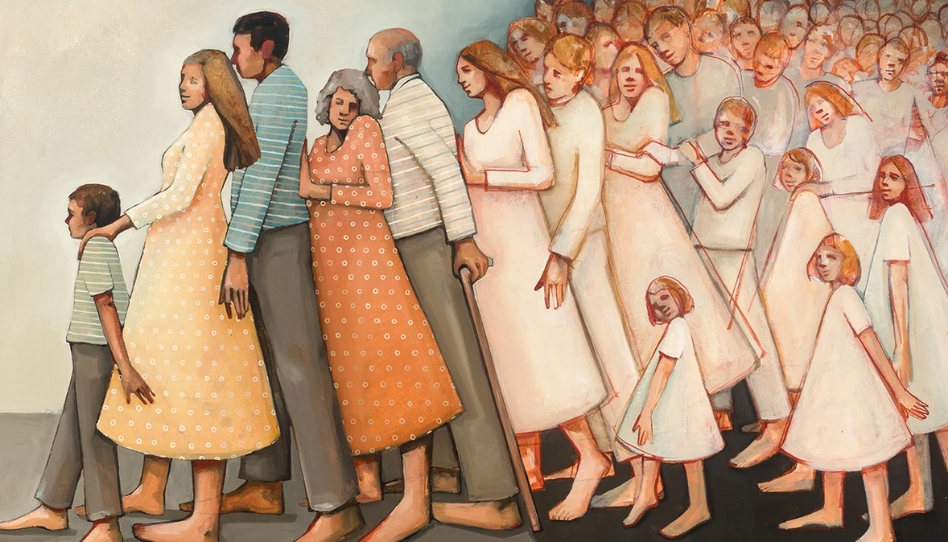
More than 2,400 years ago, the prophet Malachi prophesied that before the Lord’s coming, “he shall turn the heart of the fathers to the children, and the heart of the children to their fathers” (Malachi 4:5–6).
Today, that prophecy is being fulfilled around the world. As people search for their ancestors, preserve family stories, and participate in temple worship, hearts are being turned across generations.
Many members discover that family history blesses both the living and the dead. It strengthens family relationships, increases gratitude, invites the influence of the Holy Ghost, and deepens faith in Jesus Christ.
How Can You Begin?
Getting started with family history is simpler than most people think.
- Start with yourself — Write down your name, birth date, and birthplace.
- Add your family — Include your parents and grandparents.
- Talk to relatives — Ask about family stories, traditions, and memories.
- Gather records — Collect photos, certificates, and family documents.
- Save the stories — Write them down before they are forgotten.
- Use FamilySearch — FamilySearch.org Visit FamilySearch.org to search for ancestors and build your family tree
- Want to know more, leave a comment on this article.

Every family history journey begins with one name, one story, and one simple step.
More Than Remembering the Past
Family history is much more than researching the past. It helps us understand who we are, strengthens our families today, and reminds us that every life has eternal worth.
For members of The Church of Jesus Christ of Latter-day Saints, family history also prepares us to participate in sacred temple ordinances that bless both the living and the dead.
The next time you look at an old family photograph, remember that every face has a story. As we discover those stories, preserve them, and turn our hearts toward our ancestors, we draw closer to our families, deepen our faith in Jesus Christ, and take part in God’s work of uniting His family across generations.
You may also be interested in
The Twelve Tribes of Israel | Their Blessings and Meanings
3 pieces of advice we need when we are spiritually “weak”
President Nelson: I promise you that the temple will bless your life like nothing else can.