
4mins read
"I'll stop tomorrow."
Sometimes tomorrow comes, and the promise is repeated.
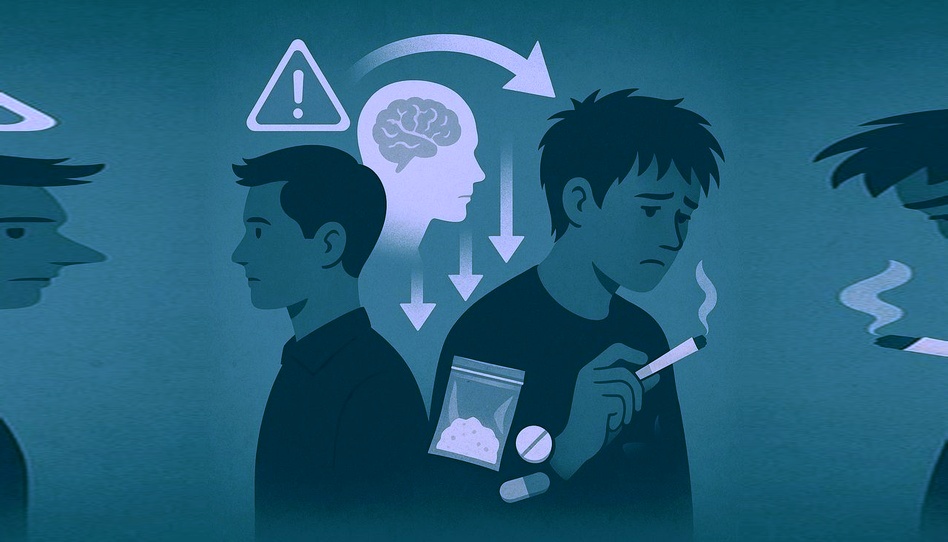
For someone struggling with addiction, wanting to stop and being able to stop can feel like two very different things. A person may know that a substance or behavior is hurting them, affecting their relationships, or changing the way they live, yet still find themselves returning to it.
That can leave them wondering why they cannot simply walk away.
Addiction can make a person feel trapped between the life they want and a pattern they cannot seem to break. It can also bring guilt, secrecy, and discouragement.
But being caught in a pattern does not mean a person has to remain there.
The Church's Addiction Recovery Program was created to help people find recovery and healing through the Savior, one step at a time. It also provides support for spouses and family members who are affected by addiction.
When Something Becomes Hard to Control
Addiction is not simply a matter of wanting something too much.
A person can sincerely want to change and still struggle to control a substance or behavior. Over time, the pattern can affect their choices, relationships, responsibilities, and sense of well-being.
That is why recovery often begins with honesty.
Instead of hiding the problem or promising that it will somehow disappear, a person can acknowledge what is happening and begin looking for the help they need.
The First Step Can Be Admitting You Need Help
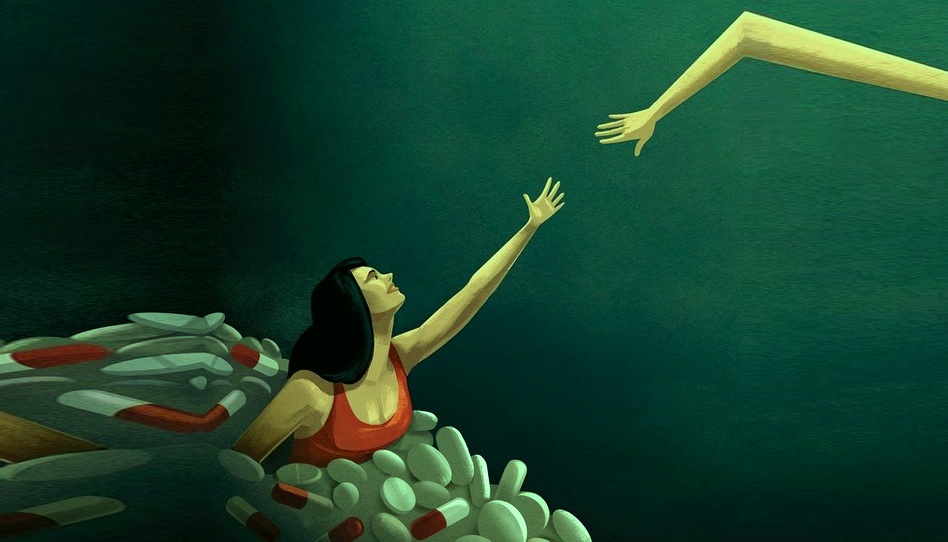
Asking for help can feel like admitting defeat.
For someone who has hidden a struggle for a long time, it may feel frightening to finally tell another person.
But recovery does not have to begin with having everything figured out.
The Addiction Recovery Program encourages people to take the process step by step. Its recovery guide helps individuals examine their lives honestly, turn to God, make needed changes, and continue forward.
Sometimes the bravest words are simply:
"I need help."
Recovery Is a Process, Not a Single Decision

People often imagine recovery as one moment when a person decides to quit and never looks back.
In reality, recovery can involve many small decisions.
A person learns to recognize patterns, make changes, seek support, and continue after setbacks. Progress may take time.
The Church's recovery materials provide a 12-step process specifically because healing involves a journey rather than one quick solution.
A setback does not erase every step that came before it.
It can become an opportunity to understand what happened and begin again.
Addiction Does Not Affect Only One Person
When one person struggles with addiction, others can be affected too.
A spouse may feel hurt or confused. Parents may worry about their child. Family members may become exhausted from trying to help.
They need support as well.
The Church provides a separate guide for spouses and family members because their experiences matter and their well-being is important during the recovery process.
Supporting someone does not mean taking responsibility for their recovery.
It means caring while also recognizing that each person has their own choices and responsibilities.
Finding People Who Understand
Recovery can feel lonely when a person believes no one else understands.
That is one reason the Church offers recovery meetings, podcasts, videos, and other resources. These can provide opportunities to hear from people who are also working through recovery.
The right support can make it easier to be honest.
It can also remind someone that they are not the only person who has struggled.
What Does the Savior Have to Do With Recovery?
The Addiction Recovery Program is called Healing through the Savior for a reason.
For someone who believes in Jesus Christ, recovery can include more than changing a habit. It can also involve turning to the Savior for strength, forgiveness, and help.
That does not mean a person simply prays and waits for the problem to disappear.
Faith works alongside effort.
A person can pray while also making changes, seeking support, taking responsibility, and doing the difficult work of recovery.
The Savior can be part of that process.
A Person Is More Than Their Addiction
One of the hardest things about addiction can be the way it changes how a person sees themselves.
After repeated setbacks, someone may begin thinking:
"This is just who I am." "I'll never change."
But addiction is not the whole of a person's identity.
The Church's recovery resources are designed around the possibility of change and healing.
A person can take responsibility for what has happened and still believe that something better is possible.
There Can Be a Way Forward
Recovery may begin quietly.
It may begin with recognizing the problem.
It may begin with telling someone.
It may begin with attending a recovery meeting, talking with a professional, or asking for spiritual support.
The entire journey does not have to be completed today.
One step can lead to another.
And for someone who has been struggling for a long time, perhaps the most important thing to remember is this:
Needing help does not mean you are beyond help.
There is a process for recovery.
There are people who can support you.
And there can still be a different future from the one you are living today.
Resources
Healing through the Savior: The Addiction Recovery Program 12-Step Recovery Guide
Addiction Recovery Program: A Guide to Addiction Recovery and Healing
Support Guide: Help for Spouses and Family of Those in Recovery
Addiction Recovery Program Meeting Podcasts
If You Need Help Now
If you or someone you love is struggling with addiction, help is available.
National Toll-Free Helpline for Drug Abuse Prevention (India): 1800-11-0031
NIMHANS Toll-Free Helpline: 1800-345-0555
You may also be interested in
A Historic Welcome: How Indian Families Can Experience the Renovated Salt Lake Temple in 2027
When the Baby You Prayed For Never Came
Related video