


4 min read
Few decisions touch a family as deeply as divorce.
For some couples it comes after years of trying. For others it follows circumstances that make continuing the marriage feel impossible. Around the decision there is often a mixture of sadness, relief, guilt, confusion, and quiet fear about what comes next.
There is rarely one simple reason for divorce.
There are also rarely simple feelings.
When a marriage ends, it is not only two people who must adjust. Children, parents, relatives, and close friends all feel the impact in different ways.
Marriage is a sacred covenant
In the gospel of Jesus Christ, marriage is more than a legal contract. Husbands and wives make solemn covenants with each other and with God. Because of those covenants, the Church teaches that every reasonable effort should be made to strengthen and preserve a marriage.
Elder Dallin H. Oaks taught that a good marriage does not require a perfect man or a perfect woman. It only requires a man and a woman committed to strive together toward perfection. Strong marriages are rarely built by accident. They grow through steady effort, kindness, shared responsibility, and a willingness to keep trying.
President Russell M. Nelson has also spoken about the importance of nurturing a marriage and giving the relationship the care it needs.
But not every marriage can or should continue
The desire to preserve marriage does not mean every marriage must continue no matter the cost.
The Church’s guidance is clear:
“No person should feel a need to remain in an abusive relationship.”
That sentence matters. A person living with abuse should never feel pressured to stay simply because marriage is sacred. In situations involving serious harm, seeking safety and professional help is both wise and necessary.
Divorce can be painful.
Remaining in a situation that damages a person or a child can also be deeply damaging.
There are circumstances in which ending a marriage becomes the safest or most responsible decision available.
If you are considering divorce
Elder Oaks spoke directly to married members who may be thinking about divorce. He strongly urged that for most marriage problems, the remedy is not divorce but repentance and reformation. Often the real difficulty is not incompatibility but selfishness. The first step is usually not separation, but a willingness to change.
He cautioned that divorce is not an all-purpose solution. It often creates long-term heartache, especially when children are involved. Studies show that many people who stay in difficult marriages and work on them later report greater happiness than those who divorced.
A couple facing serious problems should counsel with their bishop. As the Lord’s judge, he can offer guidance that leads toward healing. Bishops do not counsel members to divorce, but they can help members deal with the consequences of their decisions and point them toward the healing power of the Atonement.
What about the children?
Children are often the first victims of divorce. Scholars of family life note that the weakening of marriage is one of the most significant causes of declining well-being among children. Children raised in single-parent homes after divorce face higher risks in several areas of life.
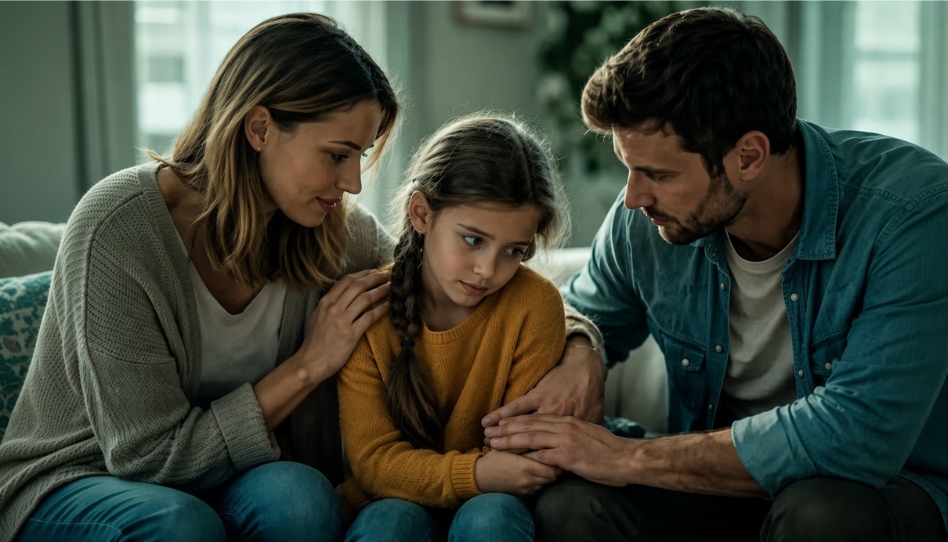
Children may become confused. They may silently wonder if they caused the separation. They may worry whether both parents still love them.
One of the clearest teachings is this:
The divorce is not the child’s fault or responsibility.

Children should never be made to feel that they caused their parents’ difficulties or that they are responsible for fixing the marriage. They need steady reassurance that they are loved by both parents and that the adult decision is not something they are expected to carry.
Love does not have to end with the marriage
When a marriage ends, living arrangements change. Holidays look different. Daily routines are reorganized. A child may suddenly have two homes.
But love does not have to disappear.
Parents can still choose to support their children, speak with respect about one another, and protect children from adult conflict. Even after a marriage has ended, parents retain the opportunity to treat their children with patience and kindness. For a child, that choice can make an enormous difference.
For the person who is divorced
Elder Oaks acknowledged that many good Church members have been divorced. Some are innocent victims of betrayal, abandonment, or prolonged refusal by a spouse to honor marriage responsibilities. Others look back with regret at their own part in the breakup.
All who have been through divorce know pain. They need the healing power and hope that come through the Atonement of Jesus Christ. That healing and hope are available — for them and for their children.
Divorce does not remove a person’s worth. A person who is divorced still needs friendship, community, and opportunities to worship and serve.
Healing takes time
There is sometimes an expectation that once the legal process is finished, the hardest part is over. For many people the opposite is true. Rebuilding a life — financially, emotionally, and practically — can take much longer than the divorce itself.
Healing rarely follows a neat timetable. Sometimes it looks like creating a new routine. Sometimes it means learning to communicate differently. Sometimes it is simply getting through one difficult day at a time.
There can still be hope
Divorce may change a family’s structure, but it does not have to determine its future.
People can learn.
People can heal.
Parents can continue to love and support their children.
Individuals can rebuild their lives and find peace again.
Elder Oaks gave this assurance: whatever the outcome and no matter how difficult the experiences, those who love the Lord, keep His commandments, and do the best they can will not be denied the blessings of eternal family relationships.
Not every marriage can be saved. Not every family story will look the way someone once imagined. But even after divorce, there can still be dignity, healing, and hope.
Moving forward does not mean pretending the past did not hurt.
It means learning to live with greater peace because that chapter is no longer the whole story.
If You Are Experiencing Abuse
If you or someone you know is in an abusive relationship, help is available. National Commission for Women Helpline (India): 181 Police Emergency: 112
You may also be interested in
When the Baby You Prayed For Never Came
A Historic Welcome: How Indian Families Can Experience the Renovated Salt Lake Temple in 2027
resorce “Divorce,” by Elder Dallin H. Oaks
Related video