


A calm answer to a hard question.
When violence happens in the name of religion, many people ask: does religion itself make people violent? It is an important question, especially in India, where we know how painful religious conflict can be.
The Church of Jesus Christ of Latter-day Saints teaches its members to be peacemakers, to love their enemies, and to forgive. But the Church also says honestly that the history of religion, including its own history, has seen violence. Let us look at both.
What Did Jesus Christ Teach About Violence?
For Latter-day Saints, everything starts with Jesus Christ. In the Sermon on the Mount, He taught:
"Love your enemies, bless them that curse you, do good to them that hate you, and pray for them which despitefully use you, and persecute you."
— Matthew 5:44
This is not easy. It asks us to answer hate in a different way, not with more hate. The Book of Mormon teaches that followers of Christ should have a "peaceable walk with the children of men" (Moroni 7:4). In a revelation given when Church members themselves were being attacked, the Lord told them to "renounce war and proclaim peace" (Doctrine and Covenants 98:16). For Latter-day Saints, peace is not extra. It is part of following Jesus Christ.
Does Religion Itself Make People Violent?
Sometimes people take their religious beliefs and loyalties to extremes and use them to justify violence. But the Church does not teach that religion itself makes people violent. President Dallin H. Oaks pointed out that many of the mass killings of the last century were driven mainly by political, ethnic, or tribal differences, not by religious rivalry. He also noted that religious leaders have strongly condemned extremists who claimed to act in the name of their faith.
This matters. A person can use religion to justify an action, but that does not mean the action matches what the religion really teaches.
What If a Latter-day Saint Commits a Violent Crime?
The Church is direct about this. When a member commits a violent crime, that person is acting against the teachings of Jesus Christ and His Church. The answer to extremism is not more hatred. It is to follow Jesus Christ, the Prince of Peace.
Elder Ulisses Soares taught that one clear sign of becoming more like the Savior is how we treat others: "the loving, patient, and kind way" we treat people, "whatever the circumstances." This is true even when we disagree.
What About Violence in the Bible and Book of Mormon?
The scriptures include accounts of violence, and some seem to have been commanded by God. This raises real questions. The Church does not use these accounts as permission for violence today.
One difficult example is Nephi killing Laban in the Book of Mormon. Church leaders accept that it is hard to understand, and no simple answer settles every question. Nephi did not want it, and he understood it to be a command from God. The same scriptures continued to teach the commandment "Thou shalt not kill" (Exodus 20:13). So these accounts are treated as rare exceptions, not as a rule for God's people.
What About War and Self-Defense?
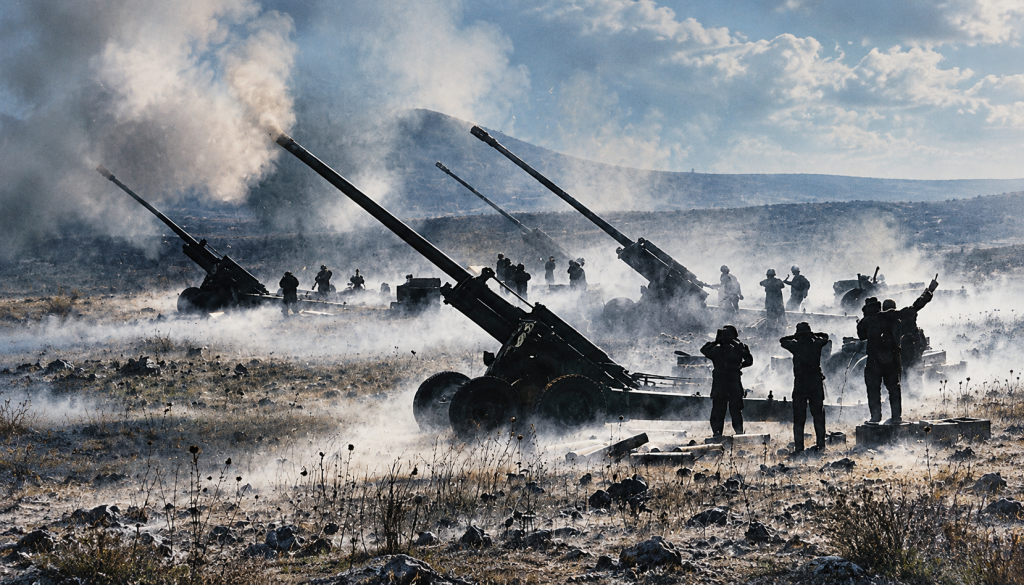
The Book of Mormon includes wars in which people defended their families, rights, country, and religion. Captain Moroni was a great military leader, but the scripture says he "did not delight in bloodshed" (Alma 48:11).
There is also the example of the people of Anti-Nephi-Lehi. They loved Jesus Christ so much that they decided never again to take up weapons, even to defend themselves. The scriptures do not give one simple answer for every situation. But the priority is clear: peace. President Russell M. Nelson taught: "As a Church, we must 'renounce war and proclaim peace.'" He also encouraged members to be personal peacemakers.
What About the Church's Own History?
An honest talk about religion and violence must also look at difficult history. The history of the Church includes persecution, conflict, and violence. This includes the violence in Missouri in the 1830s, when Church members were persecuted and later fought back.
It also includes the Mountain Meadows Massacre in 1857, when Latter-day Saint militiamen and some Indigenous Americans killed about 120 emigrants. Elder Henry B. Eyring called what happened there:
Elder Henry B. Eyring called what happened there:
"A terrible and inexcusable departure from Christian teaching and conduct."
— Elder Henry B. Eyring
The Church does not present this event as an example of faithful Christianity. It admits wrongdoing.
Was "Blood Atonement" a Church Teaching?
Some early Church leaders used the phrase "blood atonement" in strong sermons. But the Church is clear: blood atonement is not a doctrine of The Church of Jesus Christ of Latter-day Saints. The Church teaches that redemption comes through the atoning sacrifice of Jesus Christ. Not everything said by one leader in one time and place is established Church doctrine. “రక్త ప్రాయశ్చిత్తం” అనేది యేసు క్రీస్తు యొక్క కడవరి దిన పరిశుద్ధుల సంఘము యొక్క సిద్ధాంతం కాదు. యేసు క్రీస్తు చేసిన ప్రాయశ్చిత్త త్యాగం ద్వారానే విమోచనం లభిస్తుందని సంఘం బోధిస్తుంది. ఒక నిర్దిష్ట కాలంలో, ఒక నిర్దిష్ట సందర్భంలో ఒక నాయకుడు చెప్పిన ప్రతి మాట సంఘ అధికారిక సిద్ధాంతం అయిపోదు.
So What Is the Latter-day Saint Approach?
Violence has existed around religion. People can misuse beliefs, and individuals can act against their own religion. But the standard that Jesus Christ gave is clear:
- Love your enemies.
- Do good to those who hurt you.
- Seek peace.
- Do not let anger and hatred control how you treat people.
Violence may appear in religious history, but violence is not the ideal taught by Jesus Christ. For Latter-day Saints, following Christ means becoming peacemakers, even when it is hard.
Sometimes the strongest answer to conflict is not winning the fight. It is refusing to become part of it.
You may also be interested in