


Personal Study , LDS in the world
3 min read
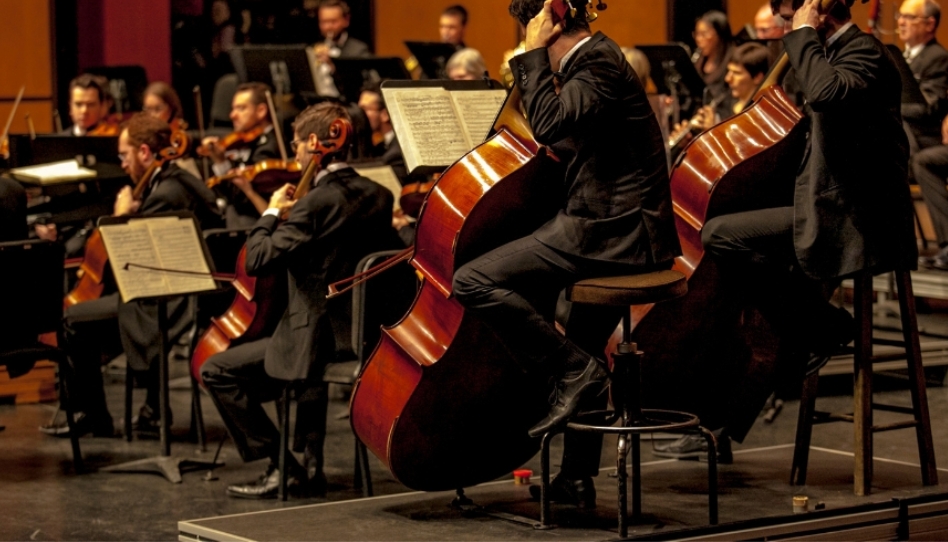
The link between music and health will be the focus this June 11-13, when some 1,200 professional musicians gather in Salt Lake City for the 80th national conference of the League of American Orchestras .
Simon Woods, president and CEO of the league, commented:
“Music is fundamental to well-being. Today there is enormous interest in the power of music for health and well-being.”
More and more orchestras in the United States and Europe are bringing music closer to their communities through innovative programs: concerts with yoga or meditation, workshops in schools, performances in hospitals, prisons and care centers for people with memory loss.
One of the main drivers of this trend is retired soprano Renée Fleming, who edited the book Music and the Mind , about how to use art for health and well-being. This approach is so important that the league developed a Catalytic Guide to help orchestras create wellness programs. The guide identifies five key areas where music provides concrete benefits:
- Improved outcomes in healthcare settings.
- Support for mental health and resilience.
- Attention to neurodivergent audiences.
- Promoting community well-being.
- Contribution to medical research.
According to Woods, multiple studies show that music generates positive changes, especially in young people.
“Children who participate in musical activities have better grades and social skills. Music literally helps the brain connect more efficiently.”

You don't need to be a musician to enjoy these benefits. Listening to music also improves well-being.
“The line between listening to and making music is not so clear.”
Furthermore, music is one of the last abilities to be lost in people with dementia, as it is deeply integrated into the brain.
Steve Brosvik, president and CEO of the Utah Symphony/Utah Opera , agrees:
“We are not surgeons and we don’t cure cancer, but we know that a live musical experience has a positive impact on people
What type of music is better?

According to Johns Hopkins Medicine , listening to or playing music is an excellent exercise for the brain. It can reduce anxiety, blood pressure, and pain, as well as improve sleep, mood, concentration, and memory.
The advice is to explore new musical genres.
“New music challenges the brain in ways that familiar music does not.”
However, everyone reacts differently to each style. There is no "best" genre.
“All forms of music have profound value in the realm of health. From the simple act of hitting a drum to listening to a symphony.”
New initiatives in Utah

The Utah Symphony/Utah Opera launched the Mindful Music program , which offers short music lessons in schools. These sessions help focus attention and improve learning. The initiative, which initially aimed to reach 10 schools, was so popular that it expanded to 21. Now, entire school districts are looking to adopt it.
In addition, the symphony collaborates with the Huntsman Mental Health Institute and a Carnegie Hall program that offers intimate concerts accompanied by breathing techniques for stress management. The experience is so relaxing that attendees can listen to the music lying on mats.
The benefit also extends to the musicians and their families.
“Our work is stressful. If we manage to brighten someone’s day or change their perspective, we feel like we’re doing good.”
The league's guide shows dozens of examples: the Knoxville Symphony Orchestra combined concerts with yoga; the Houston Symphony performed at dementia care centers; and the Bozeman Symphony brings music to cancer patients to reduce stress and provide comfort.
According to the American Music Therapy Association , music is a recognized tool for addressing physical, emotional, cognitive, and social needs. From hospitals to schools, its transformative power is evident.
resorce Deseret News
You may also be interested in