
LDS in the world
3 min read
Theodore (Ted) Parsons III was preparing to lead Sunday services at Balad Air Base, Iraq, when sirens broke the silence. It was late 2006, and a new round of enemy bombing was descending on the base. Without hesitation, he grabbed his medical kit and ran for the nearest bunker.
That night, marked by explosions, was just one of more than 200 they experienced during their deployment. But what made it different was the timing: it happened right when the soldiers were supposed to gather to worship the Savior.
Despite the chaos, fear never overwhelmed him. His faith in Jesus Christ was his anchor.
"What I experienced in the combat hospital was bearable thanks to my faith in the Savior."
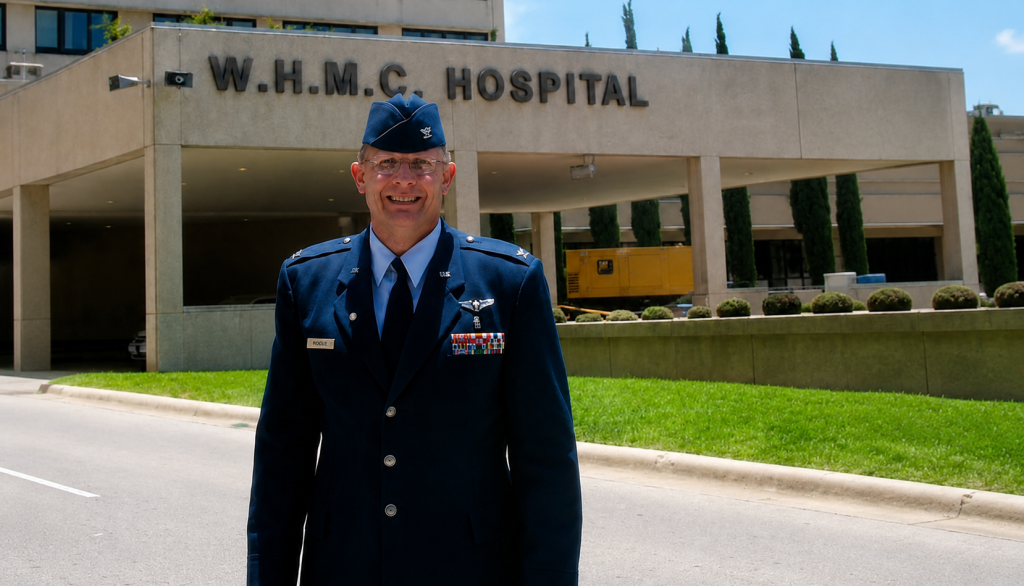
In 1975, Parsons was admitted to the United States Air Force Academy. Although he hadn't yet served a mission, he felt his good example was sufficient. But during his sophomore year, a general conference address by President Spencer W. Kimball made him reconsider his decision.
“Does this apply to me too?” he wondered. The question haunted him for weeks. If he left the academy, he would have to resign, with no guarantee of ever returning. If he stayed, he had a guaranteed path to medical school. Still, he chose to serve a mission.
“I will do what the Lord has asked of me, and the rest will take care of itself.”
After returning from his mission, he enrolled at BYU. Although he believed there was no way he could return to the military academy, he felt he should try. He did… and was readmitted. He became the first cadet to return after resigning, paving the way for other young Latter-day Saints.
A lasting legacy at the Academy
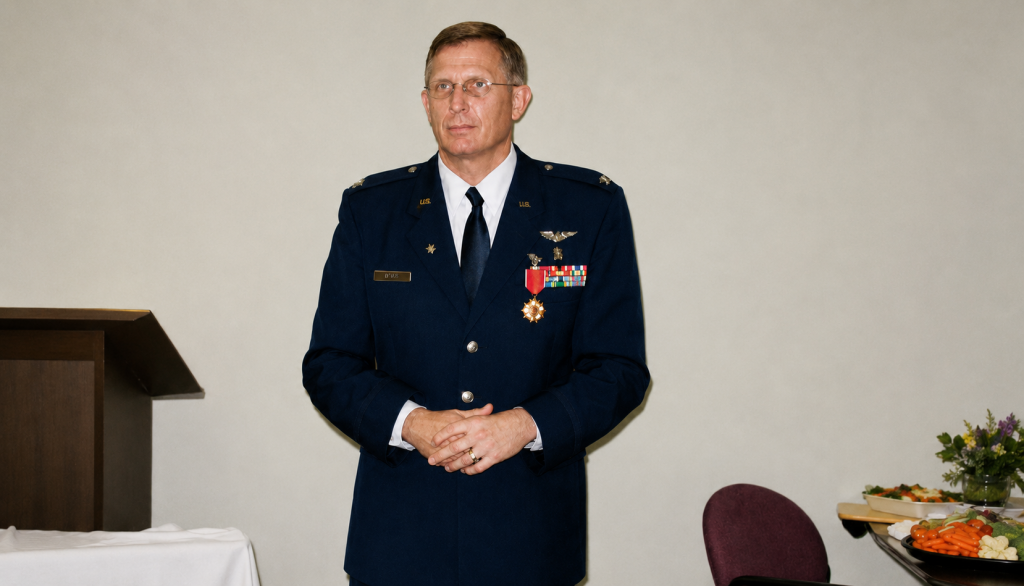
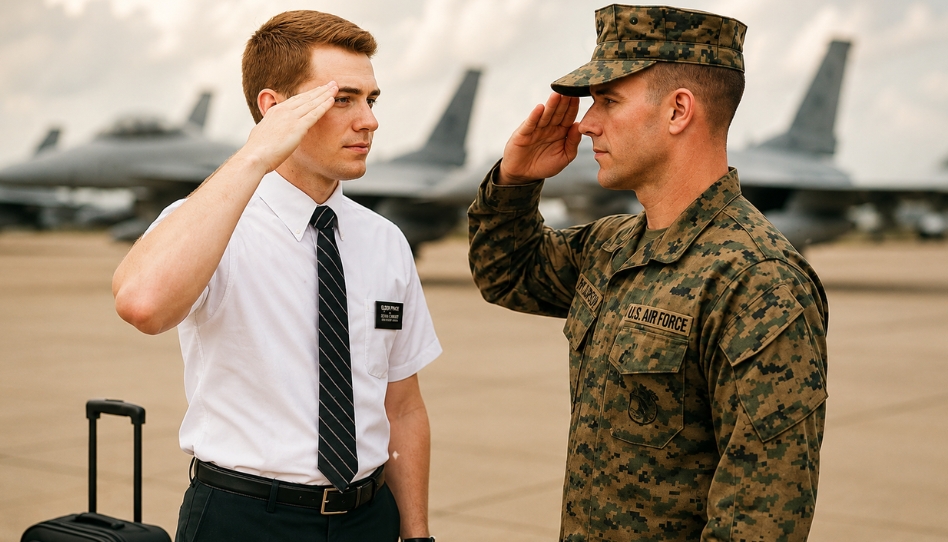
Thanks to his example, other cadets began requesting leave to serve missions. Officers noticed that the missionaries returned more mature, focused, and capable. Since then, young Saints have been officially permitted to postpone their training to serve the Lord before returning to serve their country.
In 2016, Parsons was invited to a special Baccalaureate ceremony for Church members at the Academy. Elder David A. Bednar asked him to join him on the stage and asked:
“Can all cadets who have served or plan to serve a mission stand up?”
More than 200 people stood up. Parsons couldn't hold back his tears. That act of faith he had made decades before was still bearing fruit.
One of Parsons' most powerful memories occurred again in Iraq. After an intense night attack, he thought Sunday services would have been canceled. However, he felt a strong spiritual impression:
“You have to go.”
What the Gospel and the army have in common
When he arrived at the tent assigned for the meetings, he found 15 soldiers waiting for him, still wearing their protective gear.
“Oh, Brother Parsons,” one of them said, “we knew you understood how important the sacrament is. We need it before we go out on patrol tomorrow.”
That young man, probably 19 years old, reminded him of the true meaning of the Gospel. “That day, he taught me,” Parsons humbly admits.
After Iraq, Parsons was called as a bishop and then as a stake president. His military service prepared him to lead with firmness and empathy.
For him, the discipline of the armed forces is similar to discipleship in the Gospel. In both cases, obedience is required to leaders who see beyond the present moment. In the Gospel, that leader is Christ.
"Everything the army teaches you makes even more sense when you apply it in the context of the Gospel."

During his medical shifts, he saw wounded soldiers accompanied by friends who prayed for news of their survival. That brotherhood—that deep love for one's neighbor—also reflects the character of Christ.
This Memorial Day, we remember those who gave their lives, but also those who strove to save them. Doctors like Parsons, who were on the front lines caring for their brothers and sisters. And even more importantly, we remember the Great Physician: Jesus Christ, who made it possible for us all to return home, healthy, cleansed, and whole.
May every day, not just this holiday, be an opportunity to unite faith and sacrifice. To heal the wounded, comfort the suffering, and serve with purpose. As the valiant do. As the Savior does.
resorce Meridian Magazine
You may also be interested in