

For reflection
Published by the More Faith Team
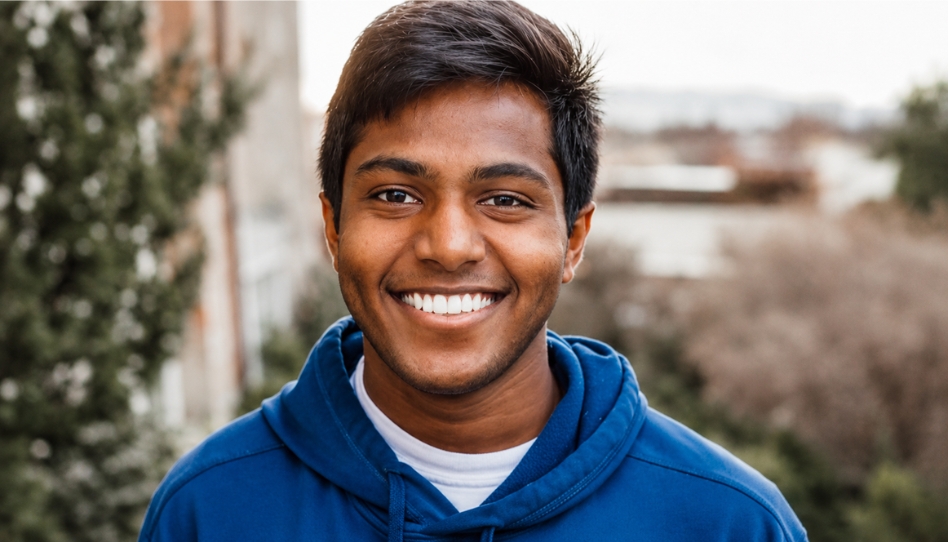
On the day Sai Maddali was baptized into The Church of Jesus Christ of Latter-day Saints, he emerged from the baptismal waters with feelings of peace and comfort.
Then came the guilt and doubts, as if joining a new religion would somehow mean renouncing their Indian and Hindu cultural roots.
Unaware of the inner turmoil of a recent convert, the Bishop of Maddali shared some words that not only calmed him but also helped him find strength in the years that followed.
“Sai, I know this is very difficult for you. I am also very proud of you,” the bishop said. “While you were being baptized, I felt a strong presence. I know your ancestors are watching you with joy. They are so proud too. There is so much family history work waiting for you, and I testify that your family is watching you… they are taking care of you and are happy to know that they can have you again.”
In a non-traditional way, Maddali's decision to become a Latter-day Saint allowed him to become a modern pioneer and ignite a new path of faith for his family and other non-traditional converts. The journey has sometimes been difficult, even after his conversion, but at 20 years old and a student at Brigham Young University, he has no regrets and is determined to persevere.
“Often, I feel the burden of representing the Church in circles where no one has had contact with members before. Sometimes I feel that some aspects that make me a modern pioneer distance me from the traditional Church experience,” said Maddali. “However, this feeling is a testament to the strength of my faith. I know that I have a purpose in the kingdom of God, and it is very powerful to be able to rely on that knowledge.”
A new ordeal
Maddali's parents immigrated from India to the United States and built their home in Georgia, where they raised their son within the Hindu religion.
After graduating from high school, Maddali received a scholarship to Georgia State University in Atlanta. During new student orientation, he met a girl who was a member of the church. They became friends.
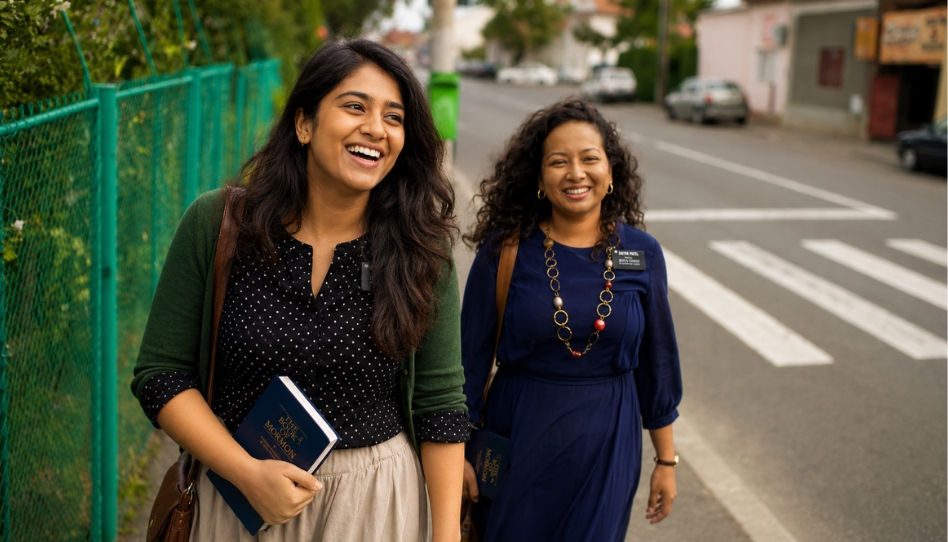
This friend invited Maddali to church one Sunday, and he went. Later, she introduced him to a pair of missionaries.
“Looking back, I don’t know if I agreed out of a genuine desire to learn or if I was simply too nice to say no,” Maddali said. “But it was a great decision to accept the lessons.”
"At the first meeting, he learned about the plan of salvation for the first time and felt comforted in discovering that he was a child of God," Maddali said.
Another memorable moment was when Maddali met the missionaries at the Atlanta Georgia temple, where they taught him about the purpose of the temple and the eternal nature of families. As someone who doesn't have a Christian background and has lived most of his life away from his family, he felt “a very strong spiritual connection to the temple and its importance,” Maddali said.
The decision
Maddali read the scriptures and prayed but didn't really consider being baptized because he hadn't received any miraculous sign from God. But as he reflected on his experiences, he realized that God had already manifested Himself in simple ways.
“I had come to the conclusion that I wanted to be baptized, not because of common influences, but because of prayer and reading the scriptures,” said Maddali. “Right after it clicked, I thought, ‘How am I going to tell my friends and family?’”
He soon shared the news with his friends as they walked. They spoke with the missionaries and set a date for the baptism.
Telling his parents was difficult. They were disappointed and felt as if their own son was rejecting the family heritage. This caused Maddali to question his feelings about joining the Church.
While struggling to know what to do, Maddali found spiritual comfort in reading the Savior's words in the Book of Mormon:
“ And again I say unto you, that ye must repent and be baptized in my name, and become as a little child, or ye cannot inherit the kingdom of God. Verily, verily I say unto you, this is my doctrine, and they that build upon this build upon my rock; and the gates of hell shall not prevail against them .” (3 Nephi 11:38–39).
“Soon after, I decided I should be baptized,” said Maddali, “no matter the complicated questions I still had in my mind.”
After his baptism, and with the bishop's timely words, Maddali received the gift of the Holy Spirit, and around 150 members raised their hands to show their support for the newest member. Maddali felt loved and welcome in his new family.
Two years later
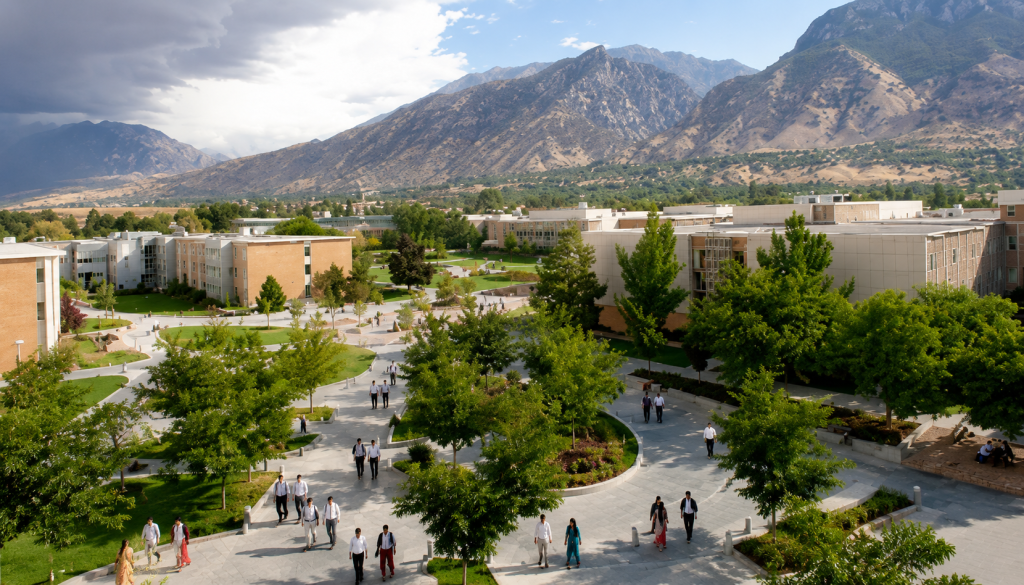
Maddali will celebrate his second baptism anniversary in December. Over the past year and a half, he has transferred to BYU and continues to grow in his new faith.
A year after joining the Church, all of her New Year's resolutions revolved around following the teachings of Christ.
In addition to receiving the priesthood, Maddali served as a ward missionary and as a gospel principles teacher. He also performed baptisms for the dead and performed his temple endowment.
Despite being heartbroken, Maddali's parents accepted his religion. A pivotal moment occurred when his mother met another member of the Church during parent orientation at BYU.
“She was impressed by how positive and faithful those members were,” Maddali said. “However, I don’t expect my parents to join the church; their influence on my life as Hindu religious people was essential for me to join.”
Many have criticized Maddalo's parents for failing to teach him about Hindu values and blame them for him "leaving" the Indian culture and heritage in which he was raised. Others say that Maddalo joined the Church because of a girl, and they question him for joining a church with different worldviews," he said.
These are some of the challenges he has faced with people who are not from the Church.
Within the church, Maddali's Indian and Hindu background has little in common with the traditional Utah members who served missions, who hold large family gatherings during holidays, or where parents may give blessings to their children, not to mention the different tastes in music and clothing, he said.
“Being a convert made me question whether I had the same blessings that other members had,” Maddali said. “I believe the biggest problem with these experiences is the feeling of being alone as a convert.”
But Maddali says that many wonderful members of the Church have included him in different activities and invited him to their homes. And what matters most is that he has felt the Savior's love and understanding.
“What really made a difference in how I feel was looking to the Savior,” Maddali said. “I needed to remember that I was trying to be like Him, not like other members of the Church.”
At BYU, Maddali became the leader of the Converts Club, an organization created to discuss concerns and experiences of being a convert in the Church. This club allowed him to plan dinners and invite people who are not from traditional Church families. He frequently tells other recent converts that the most important thing is to focus on hope.
“Find something that allows you to maintain hope every day. For me, it’s reading the scriptures daily,” Maddali said. “Once you feel strengthened and hopeful, be the person you know your culture needs to help others feel like they belong. We are children of God, so we definitely have the capacity to do this. There are millions of pioneers who are still joining our communities, who have made incredible sacrifices to join us; if we can, it’s our duty to help them.”
Regardless of a convert's background, give them space – that's the lesson Maddali hopes people will learn from her story.
“We all come from different paths full of sacrifice, but especially for our converts, there is a great journey of continuous adaptation to the unique lifestyle within the church,” said Maddali. “Being a convert goes far beyond our baptism.”
resorce LDSLiving
You may also be interested in