

4mins read
Being in prison is hard. Coming out can feel even harder.
Many people leave prison with almost nothing — no job, limited money, uncertain housing, and the heavy weight of judgment from society. Families of those who are still inside also struggle with worry, stigma, and daily pressure. In the middle of these challenges, consistent human support can change everything.
In many places, members of The Church of Jesus Christ of Latter-day Saints are quietly involved in offering that support — both to people currently in prison and to those who have recently been released, through what the Church calls Prison Ministry.
"The worth of souls is great in the sight of God." — Doctrine and Covenants 18:10
Help While Someone Is Still Inside
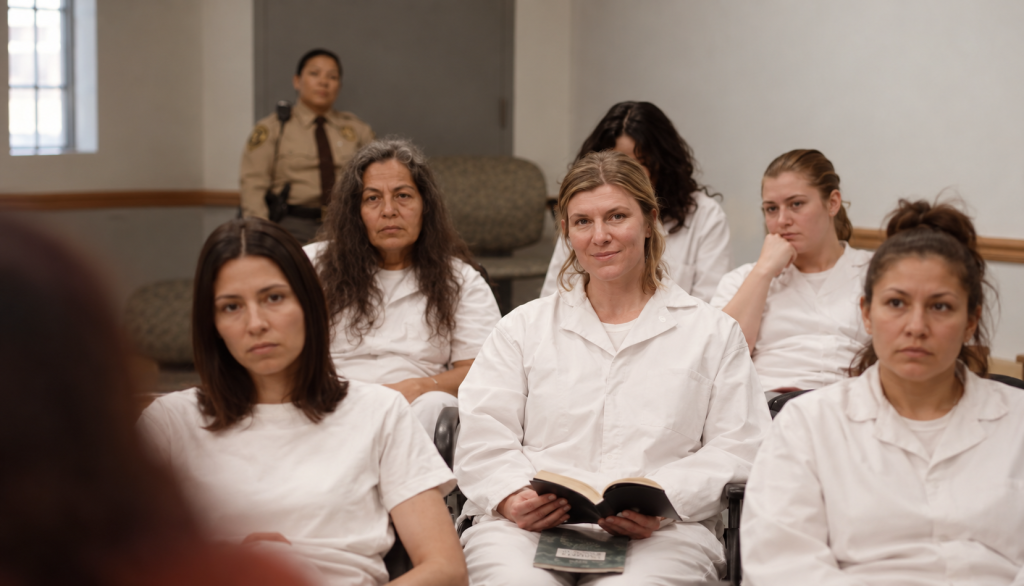
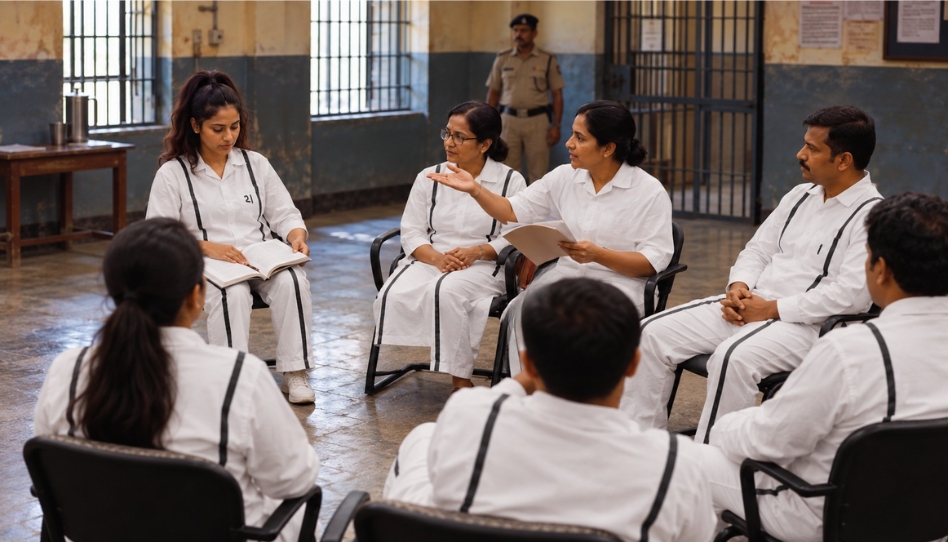
Some Church members visit prisons and jails (where permitted), write letters, and provide reading materials. Their aim is simple: to treat people with dignity and remind them that they still have value.
They do not go with judgment. They go with respect. In facilities that allow it, they help organise simple meetings or study groups. Others send regular letters of encouragement so the person does not feel completely forgotten. These efforts always follow the strict rules of the prison and focus on practical hope rather than pressure.
Elder Dale G. Renlund of the Quorum of the Twelve Apostles has taught stake leaders that organising members to minister in a prison facility is a blessing to the whole stake:
"Prison ministry enables us to have that kind of sanctifying, truly Christlike experience." — Elder Dale G. Renlund
Support Right After Release
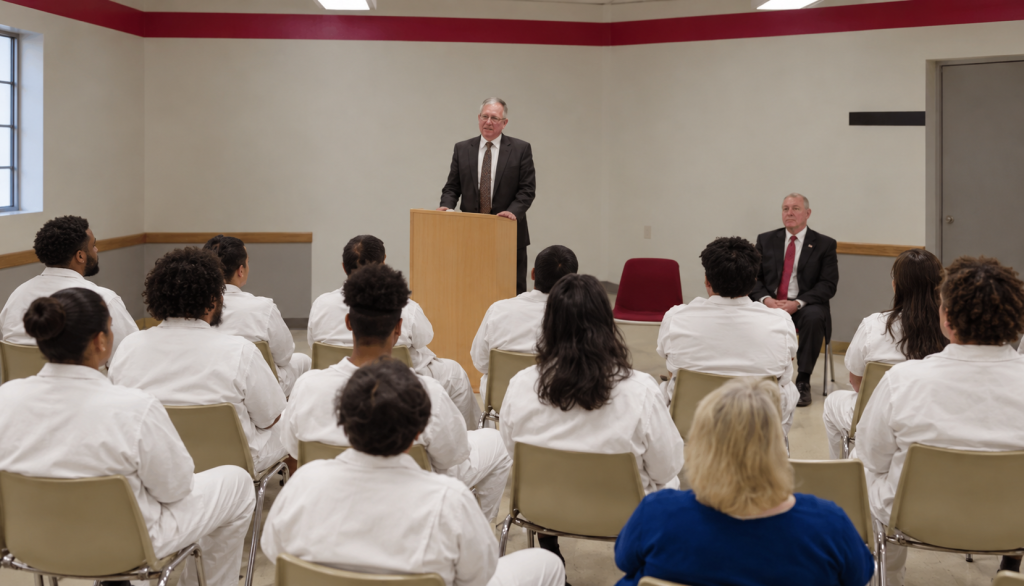
The first weeks and months after release are often the most difficult. This is the time when many people need the most help — finding work, getting basic necessities, and reconnecting with positive influences.
Church members in various areas try to assist in practical ways. This may include helping with food and clothing, connecting someone to job resources, or simply offering steady friendship so the person does not feel alone. The goal is to help them take small, steady steps toward a more stable life.
Portia Louder, a formerly incarcerated Latter-day Saint, described what that support meant to her after four and a half years in federal prison:
"I know that the way that I was loved and supported made a huge difference." — Portia Louder
Care for the Families Too
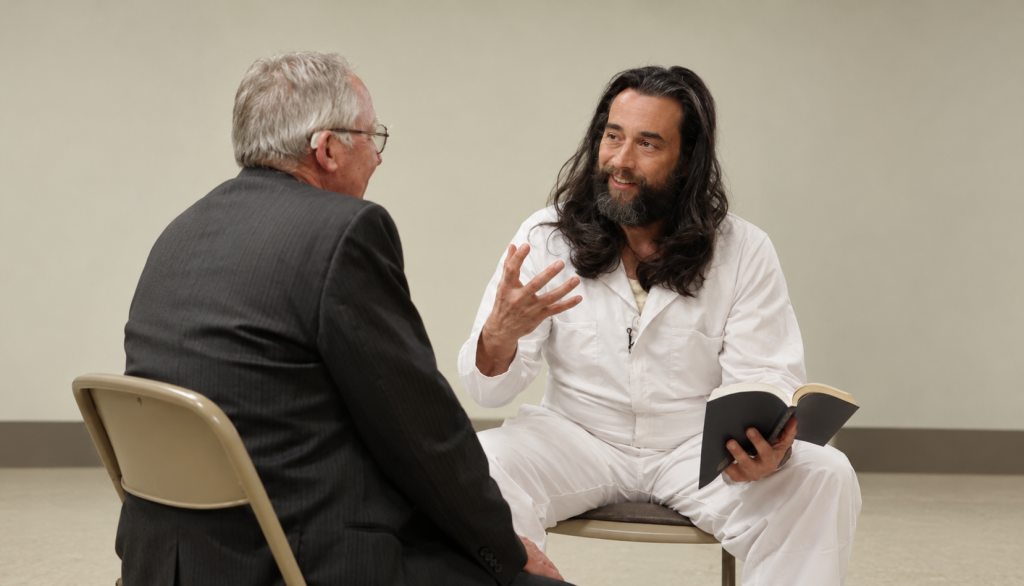
Incarceration affects more than just the person behind bars. Spouses, parents, and children often carry silent burdens. Some Church members also reach out to these families, offering emotional support and practical help so they feel less isolated during a very difficult time.
Elder Ahmad Corbitt has spoken directly to teens whose parent is incarcerated:
"You are not a statistic. You’re a child of God, and He will bring you through this as you keep your hand in His." — Elder Ahmad Corbitt
Why This Quiet Work Matters
People who receive respectful, consistent support after prison are more likely to rebuild their lives successfully. A job lead, a listening ear, or someone who still believes in them can make the difference between falling back and moving forward.
Those who serve in this way are careful to follow safety guidelines and respect the rules of every facility. The focus remains on genuine help, not on forcing any belief.
Moving Forward With Hope
Life after prison is rarely easy, but it does not have to be faced alone. Through visits, letters, practical assistance after release, and support for families, ordinary members of the Church are trying to make the path of recovery a little less lonely.
If you or someone you know is going through this journey, free resources are available at prison.ChurchofJesusChrist.org, including help for those incarcerated, their spouses, and their children. You can also reach the Church's Prison Ministry group directly by email at [email protected].
Every person deserves the chance to start again. Steady, practical support helps make that chance real.
You may also be interested in
- Choosing Christ: Healing and Deliverance in Hard Times
- Christlike Service in Everyday Life
- Overcoming Pride and Cultivating Humility
Related video