
Basic beliefs and principles , Personal Study
7 min read
Emmanuel means “God with us.” That pretty much sums it up.
If we consider the statements and covenants of the restored gospel of Jesus Christ, we confirm that Matthew was right.
There is something that connects us from the beginning of the world to the present day that makes it possible for God to truly be with us.
Creation leads us to the covenant. The covenant with Abraham led us to receive a tabernacle. The tabernacle became the temple, and the temple became flesh. The Word became flesh so that we could become like Him.
He dwells among us so that we may dwell with Him in eternity, and all thanks to His sacrifice, to His resurrection. He has risen, and death has no victory!
The creation

In the beginning, God created the heavens and the earth. The earth is His temple, the place where He carried out His work and received His glory.
Accordingly, “the earth obeys the law of a celestial kingdom, for it fulfills the measure of its creation” (Doctrine and Covenants 88:25). The Lord created the earth in seven days to be His temple.
He organized and formed the earth to be the right place to help us become like Him. When He “rested” on the seventh day, He began His reign among those created in His image and likeness, Adam and Eve and their future descendants.
The agreement
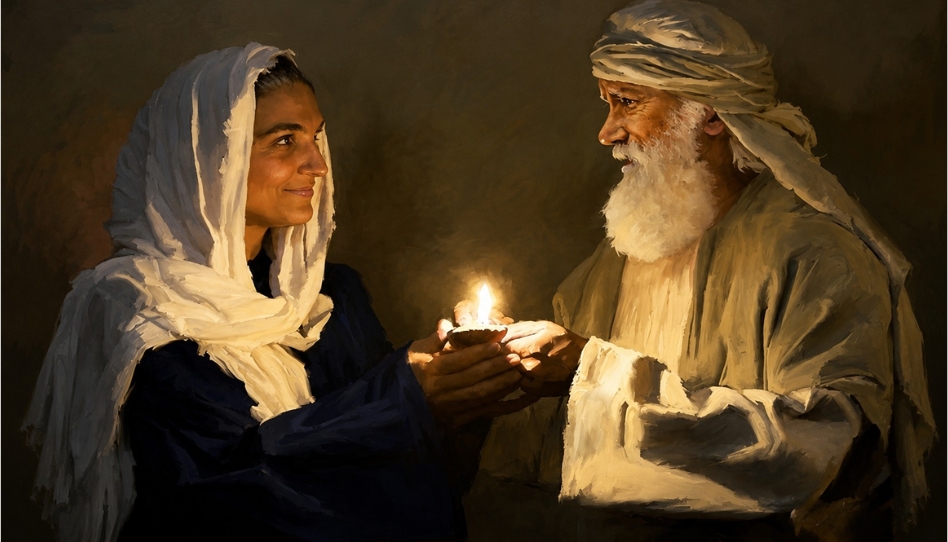
The Lord instituted a path, or way, for the truths of God's plan to come to fruition. Isaiah called it the "way of holiness," and it enables us to live according to the measure, stature, and fullness of Christ.
Because the Lord is “the way, the truth, and the life,” when we choose to enter His path, we do so through sacred ordinances, channels of grace, that unlock the full power of heaven.
Our beloved prophet taught:
“Ordinances and covenants give us access to the power of heaven. The covenant path is the only path that leads to exaltation and eternal life.”
This covenant assures us that whoever enters this path becomes one with God. Such is the nature of the promises.
By entering into the covenant, we participate in the history of salvation that culminates in the most glorious happily ever after in which the Father proclaims: “You shall have eternal life.”
Then, naturally, our present prophet advised:
“With all the supplications of my heart, I urge you to follow the covenant path and remain there. Experience the joy of daily repentance. Learn of God and how He works. Seek and expect miracles. Strive to end any conflict in your life.
As you act on these goals, I promise you will have the capacity to move forward on the covenant path with greater momentum, despite the obstacles you face. And I promise you greater strength to resist temptation, more peace of mind, immunity to fear, and greater unity in your families . ”
The tabernacle
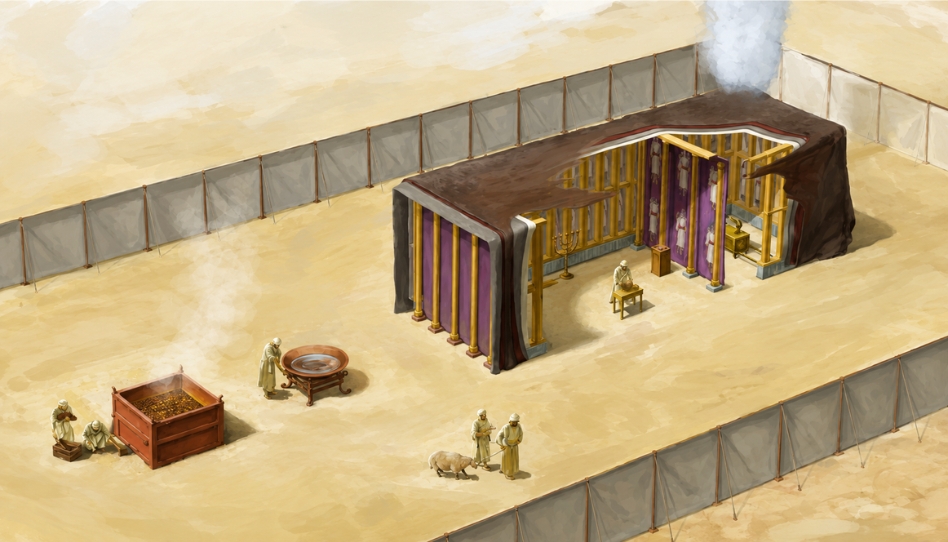
Settled at Sinai, the Lord prepared Israel to receive His presence. The tabernacle, the holy tent, is the dwelling place of God, the place where God promised to meet with Israel (Exodus 29:42). It is a sacred space designed for a holy person.
The Sabbath was instituted as a sacred time when Israel could go to the Lord's place at a specific time to receive a particular person, even God.
Yes, that last statement goes against traditional Christianity, but one of the doctrinal treasures of the restored gospel of Jesus Christ is that God is a man, an “exalted man, seated on his throne there in the heavens” (Teachings of Presidents of the Church: Joseph Smith).
Emmanuel, “God with us,” traveled with and among Israel to His promised land. The tabernacle was the Lord’s portable dwelling place to remind Israel of this fact.
When Israel completed the construction of the tabernacle, it is said that they were filled with the glory of Jehovah when He settled among His people.
The Lord of glory led the Jaredites, Israelites, and Lehites to His promised land by the covenant path, and so it is with us.
The temple
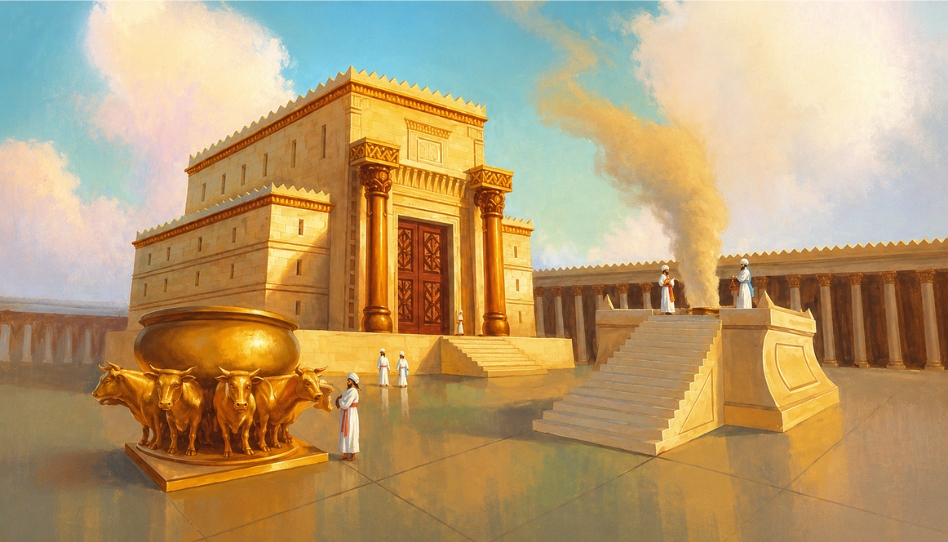
Finally, the mighty King David captured Jerusalem. The holy city was the city destined for the Prince of Peace. God's presence would no longer move from one place to another.
Jerusalem would be the place where the glory of God would be revealed. Indeed, on this mountain the glory of the Lord would also be seen when He was crucified on the cross of Calvary.
Solomon built a majestic building in Jerusalem, a temple of the Lord. This sanctuary was designated as the place where heaven met earth.
“The mountain of the Lord’s house” (Isaiah 2:2), and to ascend it required rituals and rites of initiation. These external ordinances were symbols of each person’s covenant.
To ascend the mountain of the Lord, a “holy place,” it was required to “be clean of hands and pure of heart… not to lift up one’s soul to falsehood, nor swear deceitfully” (Psalm 24:4). There we are promised to receive the fullness of the name and glory of the Lord.
Just as it was in ancient times, so it is today in the restored Church of Christ. By remaining in holy places without being moved, the Lord becomes one with us. Such is the nature of the covenant way.
The covenant path begins in the waters of baptism, where we are “willing” to take upon ourselves the name of Christ. The temple is the fulfillment of that promise.
Christ—The Tabernacle
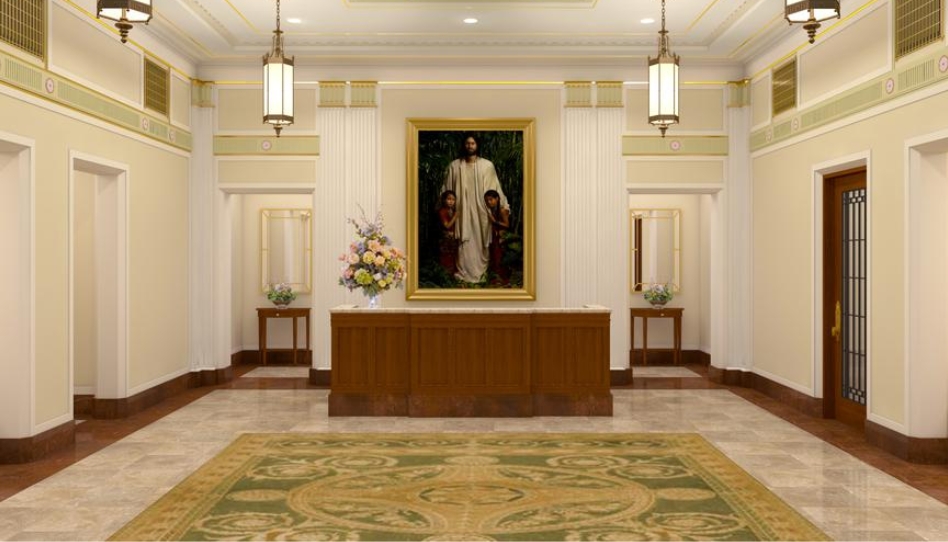
“In the beginning” is the phrase that marks the beginning of the Lord’s earthly temple; these words also mark the beginning of the Lord’s temple in the flesh (Genesis 1:1; John 1:1). Jesus came to earth to live among us, to fulfill His mission, to bring glory to the Father.
Just as the earth draws us closer to the glory of the Lord, the temple prepares us for it. Everything the earth teaches us, we see embodied in Him. Everything the temple teaches us, we see fulfilled in Him.
When we are one with Him, we are one with the Father. Entering into His covenant path is entering the path that leads to the glory of God.
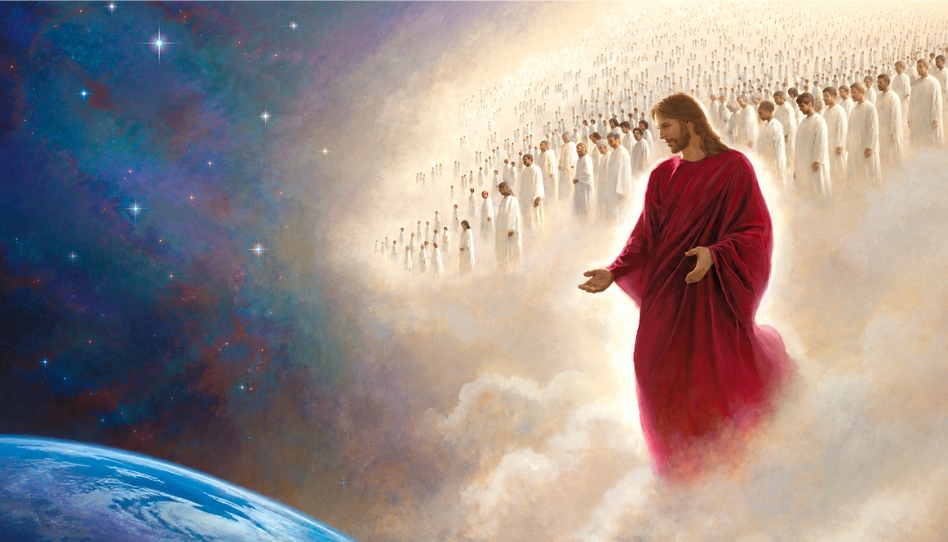
John saw the New Jerusalem of the millennium and testified:
“And I saw no temple in the city, because the Lord God Almighty and the Lamb are its temple .” -Revelation 21:22
The words inscribed, carved in stone on the facade of modern temples, declare: “Holiness to the Lord: The House of the Lord.” Everything the covenant assures begins in the temple and is then fulfilled by the Lord in that sacred declaration.
Our Lord's earthly ministry was the Lord's tabernacle. From the premortal kingdom precincts to the cross of Calvary, the Lord's mission was sanctification to His Father. His life was the embodiment of what it means to be the House of the Lord.
The morning of His resurrection
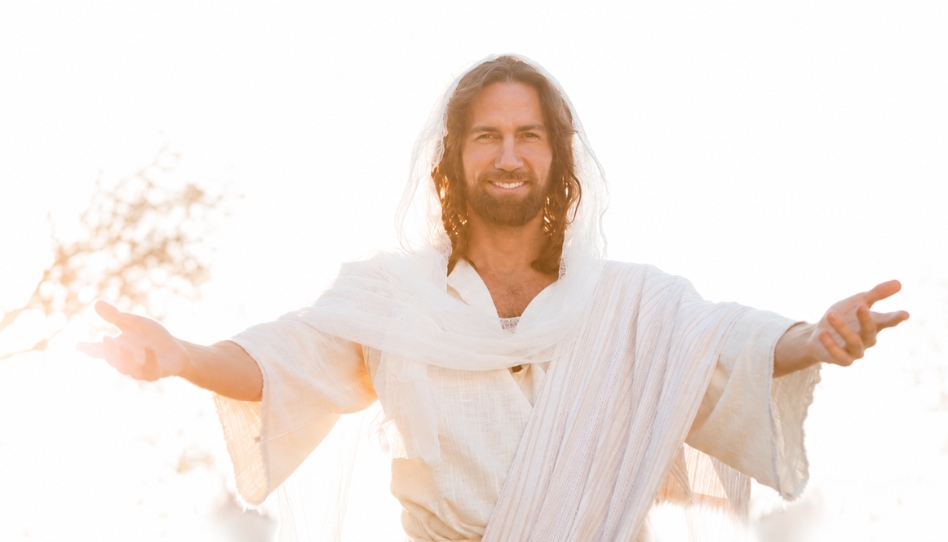
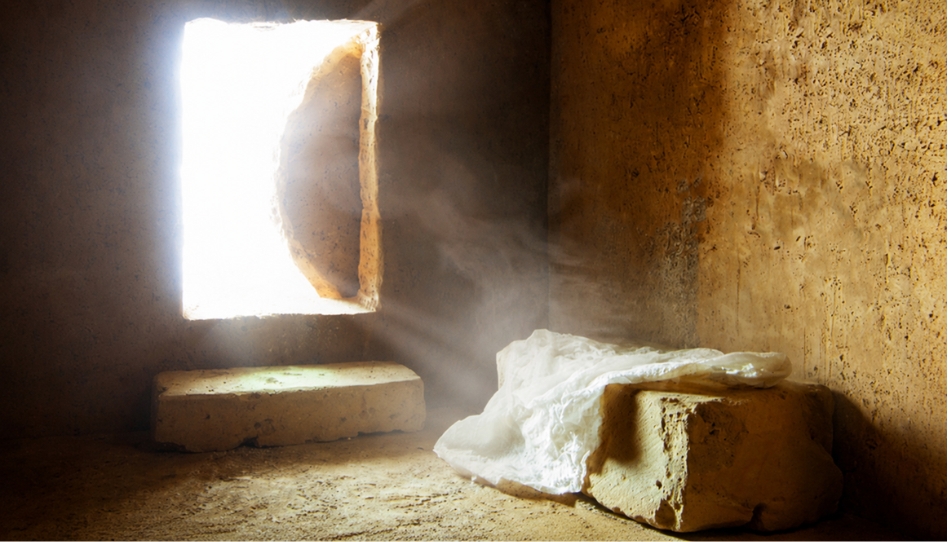
The promise of Easter can be proclaimed in this passage: “He is not here, for he has risen” (Matthew 28:6). We become the temple of God. God is with us and within us.
The promise of Easter assures us that the body of Christ, His flesh, our flesh and His Church, are a renewed, restored and resurrected body.
The temple is the “right place” to gather in the covenant, and the covenant path is the right process that leads us to the Savior. Jesus, our Lord, is the “Righteous One,” and therefore, His path is the right one.
We have reason to rejoice in Jesus Christ and His gospel. The promises of a new life, lasting joy, and resurrection are both real and eternal.
What began in creation culminated in a covenant; what was a tabernacle in the wilderness became a Tabernacle in the flesh.
The temple of God is with us, within us, and before us. The Word became flesh so that our flesh might become the Word. The Living Word is mediated by the written word, and the Living Temple is mediated by the earthly temple.
The covenant path culminates in Christ, and when we receive our Redeemer, we receive our Father. Praise God for the promise of Easter, new beginnings, and a new temple.
resorce Meridian Magazine
You may also be interested in
- How a new prophet is chosen in The Church of Jesus Christ of Latter-day Saints
- President Holland: Jesus was all alone so that you don't have to be.
- Family Home Evening: A Simple Way to Strengthen Your Family Every Monday
Related video