
History of the Church , restriction of the priesthood
4 min read
“Now if there are faults, these are errors of men ; therefore, do not condemn the things of God . ”
These inspired words found on the cover of the Book of Mormon may be the most complete explanation regarding one of the most challenging chapters history of The Church of Jesus Christ of Latter-day Saints.
Although commendable progress and achievements have been made since the restoration of the Gospel of Jesus Christ, there have also been painful mistakes regarding race relations..
The case of Elijah Abel
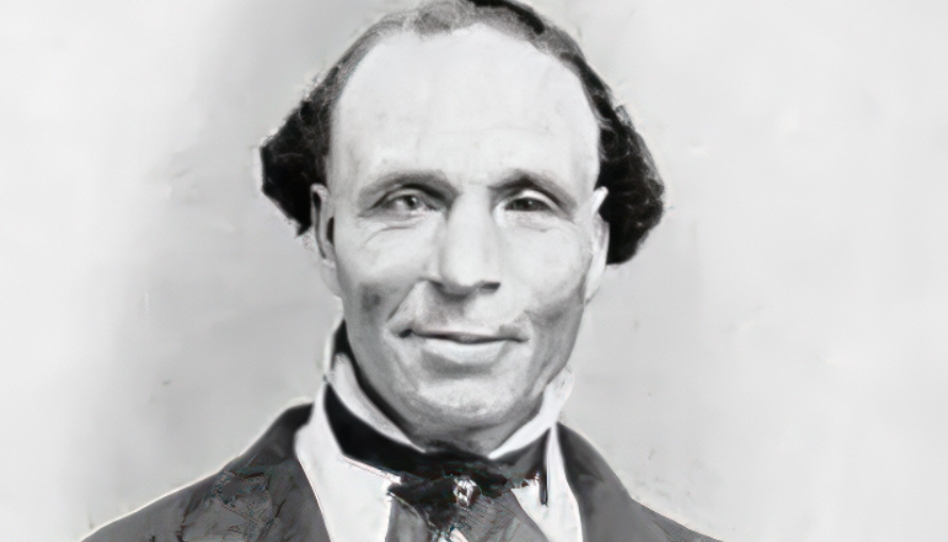
To begin this journey, we must highlight that, in its origins, the teachings of the prophet Joseph Smith presented a more inclusive perspective on race .
As described in various historical Church documents, including the Gospel Essays, the Prophet Joseph ordained men of color to the priesthood , such as Elijah Abel, in 1836, after participating in the temple ceremony in Kirtland.
This early practice demonstrated that the Church's initial doctrines were not exclusionary based on race. On the contrary, these progressive beginnings were overshadowed by the prevailing social pressures of the mid-19th century.
Thus, in 1852, under Brigham Young's leadership, the Church publicly instituted a policy prohibiting men of African descent from holding the priesthood. This decision was heavily influenced by the racial climate of the time , reflecting social beliefs rather than the fundamental teachings of the gospel.
The implications of this prohibition were significant, as it led to the exclusion of people of color from key aspects of Church life, including temple ordinances.
Absolute division in North America
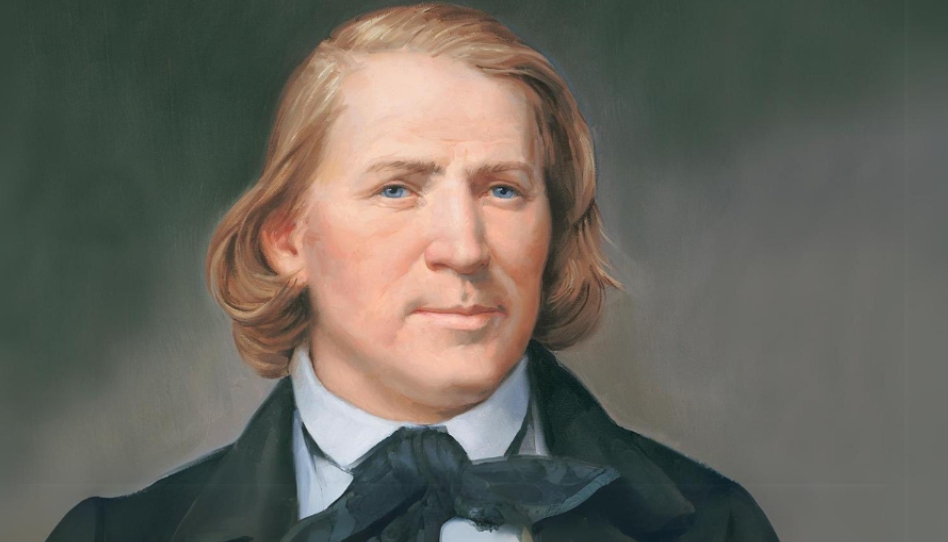
Although various justifications were presented for this restriction, some suggesting that people of African descent were less courageous in the premortal battle or that it was a curse on the descendants of Cain, none of which are supported under official Church doctrine .
These beliefs were embedded within a political context where racial culture was highly contentious : whites enjoyed great privileges and the United States Congress limited citizenship to "free white people".
For more than half a century, race issues divided the country, and the Supreme Court even decreed that black people possessed "no rights that the white man was obligated to respect."
This political pressure then seeped into the practices of the Church, especially after Congress created the Utah Territory and the U.S. president appointed Brigham Young as its governor.
However, as racial integration spread in the United States, especially in the 1940s and 1950s, Church leaders—including President David O. McKay—expressed their efforts to receive revelation that would allow all of God's children , without exception, to access each of the blessings of the gospel of Jesus Christ.
Alliances for racial equality
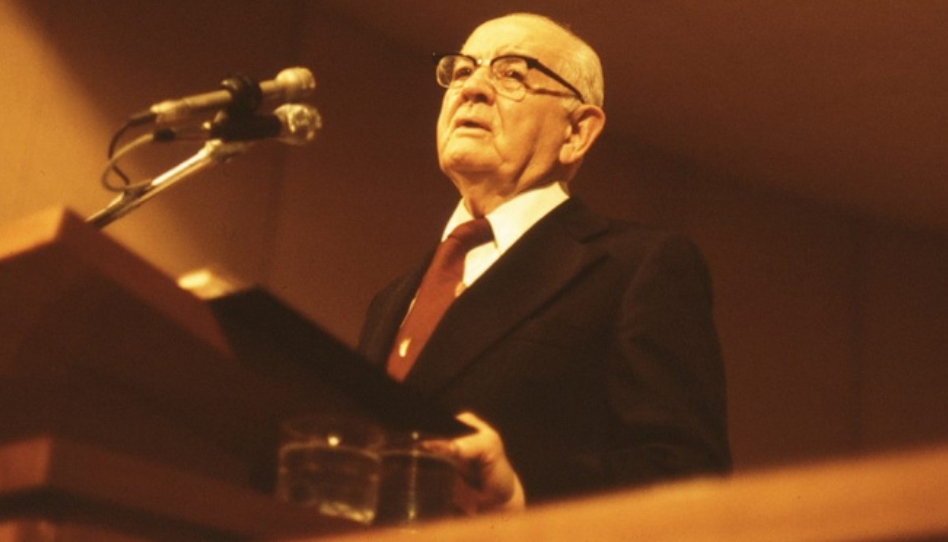
Thus, in 1978, came the day most awaited by many Latter-day Saints: President Spencer W. Kimball lifted the priesthood ban on people of color and allowed all worthy male members, regardless of race, to have access to priesthood and temple ordinances. This momentous change marked a turning point in the history of the Church and opened the door to greater inclusion, making concerted efforts to confront its past and promote racial equality.
In addition, the Church has allied itself with organizations such as the National Association for the Advancement of Colored People (NAACP) to foster dialogue and understanding on racial matters , emphasizing the importance of diversity within its ranks.
These initiatives demonstrate a sincere commitment to creating an inclusive environment for all members.
The Church has launched several programs aimed at increasing inclusion, such as the Genesis Group, which supports members of color and addresses their particular concerns within the Church.
These efforts have been ratified in statements by the current president of the Church, Russell M. Nelson, who has constantly emphasized that all people are equal in the eyes of God, reinforcing the Church's commitment to inclusion and denouncing racism in all its forms .
“[…] He invites them all to come unto him and partake of his goodness; no one who comes unto him he rejects, whether black or white, whether slave or free, male or female; and he remembers the heathen; and all are equal before God ” (2 Nephi 26:33).
resorce Ask Gramps
You may also be interested in
Seventy General Authority dies at age 59
Do plants have souls? What the Scriptures teach about the spiritual life of nature