
Basic beliefs and principles , God , Personal Study
4 min read
In the Hebrew Bible , there is a term that stands out for being… different. A term translated as “God ,” but which is actually plural : Elohim..
Its grammatical form ends in “-im,” the masculine plural marker in Hebrew. And although it almost always acts as a singular—“Elohim created,” “Elohim spoke”—its grammatical structure explains something entirely different. It is as if it were remembering a different past. One where it was not alone.
Why would a culture that believes in one God use a name that seems to refer to many? Answers abound. Some scholars call it a “plural of majesty,” a reverent way of speaking about a supreme being.

Others believe it's a reminder of a time when the idea of a single God wasn't yet so clear. And some, especially from the perspective of the Restoration, think that Elohim is more than just a name: it's a clue that there was, from the beginning, a divine family.
Joseph Smith taught that the present Bible is incomplete, that it was edited and adapted to later theologies . His work of translation was an act of restoration: recovering truths deliberately erased.
And among these truths is the name Elohim . To understand it, we must look beyond Jerusalem, to other Semitic languages: Ugaritic, Aramaic, Arabic. They all share similar roots for “God”: El, Ilah, Elah, Aliha. And in all of them there are traces of divine plurality.

The Hebrew word Elohim. Elohim is a curious mix. It comes from El , which means “god ,” but instead of using the typical plural( Elim ),) కు బదులుగా, Elohim. అనే భిన్నమైన రూపాన్ని తీసుకుంటుంది.
This form probably comes from Eloah , a word ending in “-ah,” a suffix that is usually feminine . So we have a masculine plural… that comes from a feminine root. A combination of genders in a single word.
The grammar reveals this at key moments. In Genesis 1:26, Elohim says:
“Let us make man in our image.”
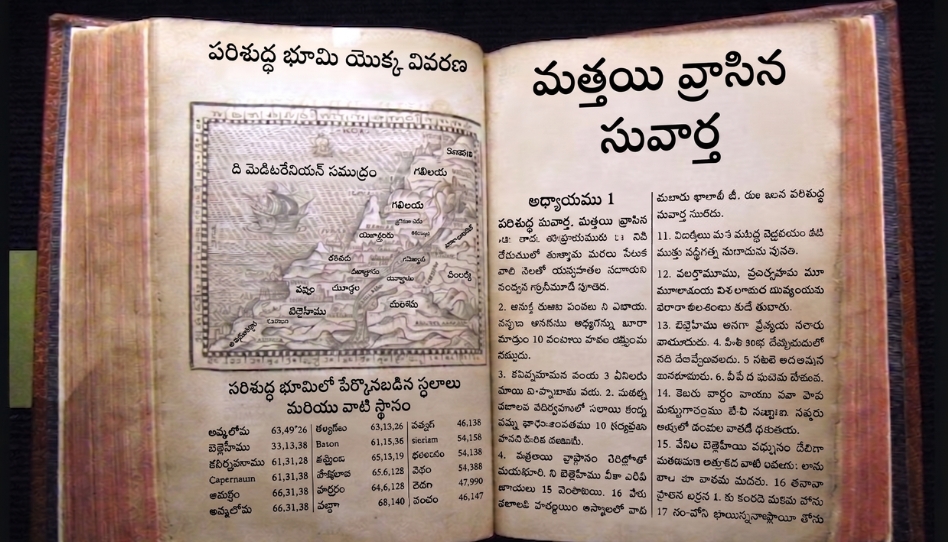
The verb and pronouns are plural. Then, Genesis 5 says:
“Male and female he created them, and blessed them,
It was not a solitary creation. It was a shared work.
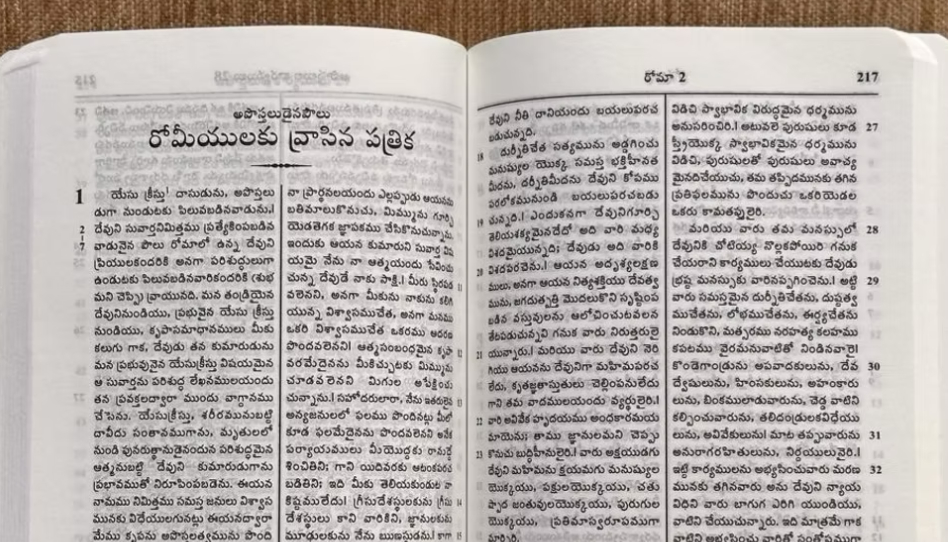
In Genesis 20:13, Abraham uses a plural verb— hitʿu , “they led me astray”—when speaking of Elohim . The same occurs in Genesis 35:7, where Jacob builds an altar because Elohim “appeared to him,” again using a plural verb.
And in 2 Samuel 7:23, the verb halekhu (“they went”) is also used with Elohim . The plural sneaks into the text just when you least expect it.

These are not errors. They are cracks in the wall of theological editing. Moments when the text remembers. When plurality, hidden by centuries of monotheism, reappears like a flash.
For Latter-day Saints , this fits with a restored doctrine : the existence of a heavenly council, headed by Heavenly Parents , followed by their Firstborn Son, Jesus Christ, and by us, their spirit children .
Elohim is not simply a name for “God the Father.” It is the title of that divine couple—Father and Mother—united in purpose.
Archaeology and philology also provide clues. Ancient inscriptions mention “Yahweh and his Asherah.” In Ugarit, El and his consort Asherah reigned together. Their seventy sons ruled the nations.
Deuteronomy 32:8 in its original form (preserved in the Dead Sea Scrolls and the Septuagint) stated that God divided the nations “according to the number of the sons of God,” not the sons of Israel, as it is read today. The change was not accidental. It was theological.
Joseph Smith taught that these changes were losses —intentional erasures of the celestial order. His restorative work returned not only a divine structure, but an eternal family: a Father, a Mother, a Son, and us as their children.

Hebrew grammar has its limitations. It doesn't distinguish between dual forms in verbs. But Arabic does. And in the Quran, God sometimes speaks in dual forms: "We created," "We revealed." This isn't polytheism, but a unified plurality. A dual voice that reflects unity.
This perspective resonates in temple worship. Creation is not an individual act. It is a collaborative effort. And the divine model is not hierarchical, but relational. The image of God, Genesis 1:27 says, is man and woman together. Not separately. Not identical. But united.
Hebrew forms like Eloah, Shekinah, Torah, and Ruach retain that feminine root. The sound “-ah” appears again and again in the sacred: in the temple, in the Scriptures, in revelation. It is a signature of the divine feminine that never entirely disappeared .
The name Elohim, then, is more than a term. It is a theological capsule. A phonetic memory. A veiled testimony. It doesn't just say "God." It says "us." It says "family." It says that heaven was created together and that its image lives on in us.
The Restoration did not invent this vision. It recovered it. Behind the veil of translations, editions, and dogmas, Elohim was still there, waiting to be heard. A word that sounds plural, acts singular, and holds a divine history of unity, kinship, and eternal purpose.
resorce Meridian Magazine